PATIENT PRIVACY AND PROTECTION
A Rigloo shelter is a lightweight, inflatable emergency tent designed for first responders. It can be quickly placed over the patient and rescuer without moving them, which is vital in trauma cases.
It provides immediate protection from weather, helps retain body heat, and offers privacy in public areas. The Rigloo is compact, fast to deploy, and protects both patient and responder, allowing safer and more effective care. In short, it’s a portable emergency shelter that can save lives when time matters.
THE UNIQUE P.O.P.S. STRUCTURE
Due to the unique P.O.P.S. structure (Place / Over / Patient / Structure), the RIGLOO Prehospital Shelter Tent can be quickly and safely placed over the patient and the first responder without moving them.
This feature is crucial for a shelter like Rigloo because the unique P.O.P.S. structure allows it to be quickly placed over the patient and responder without moving them. This minimizes risk in critical situations and provides immediate protection from weather and public view, improving safety and care on scene.
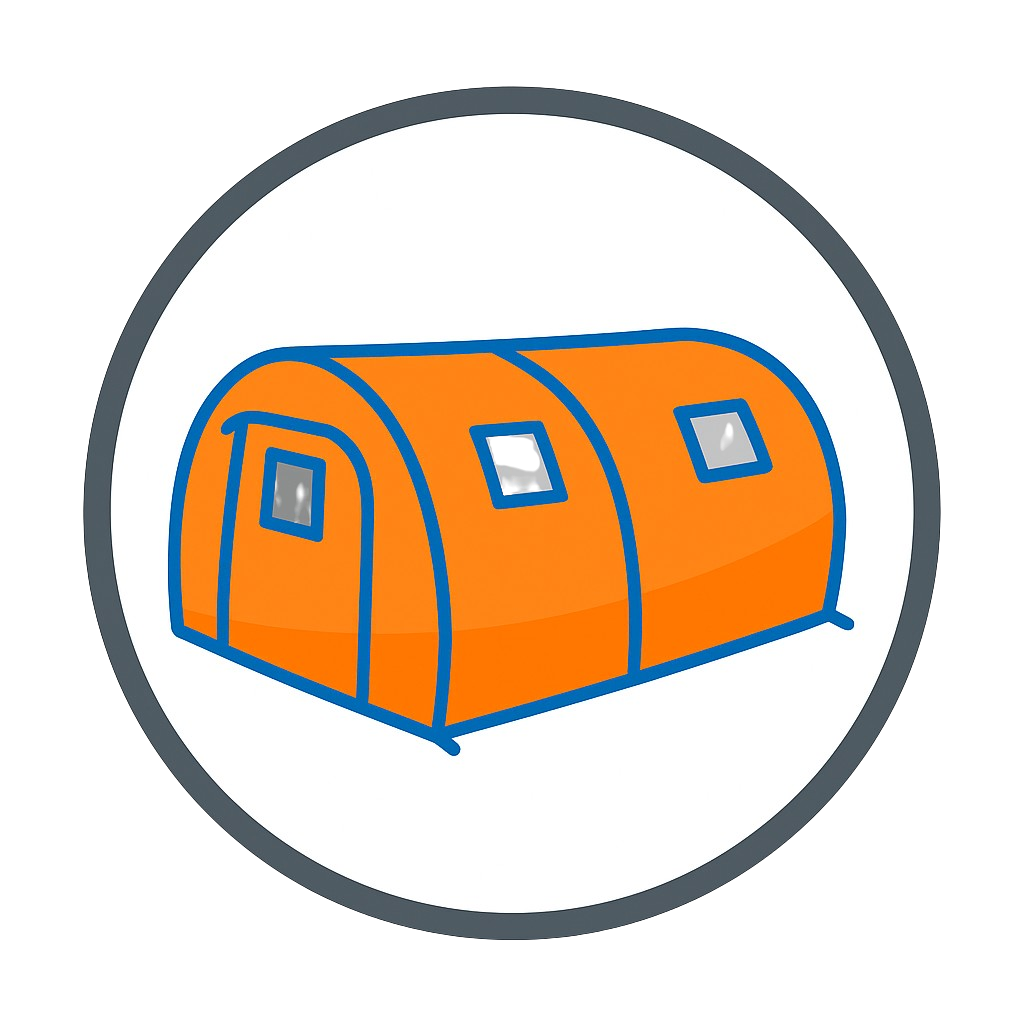
The RIGLOO Rescuer Orange is a high-visibility emergency shelter, ideal for urban or roadside use. Its bright color ensures quick location and added safety in busy environments.
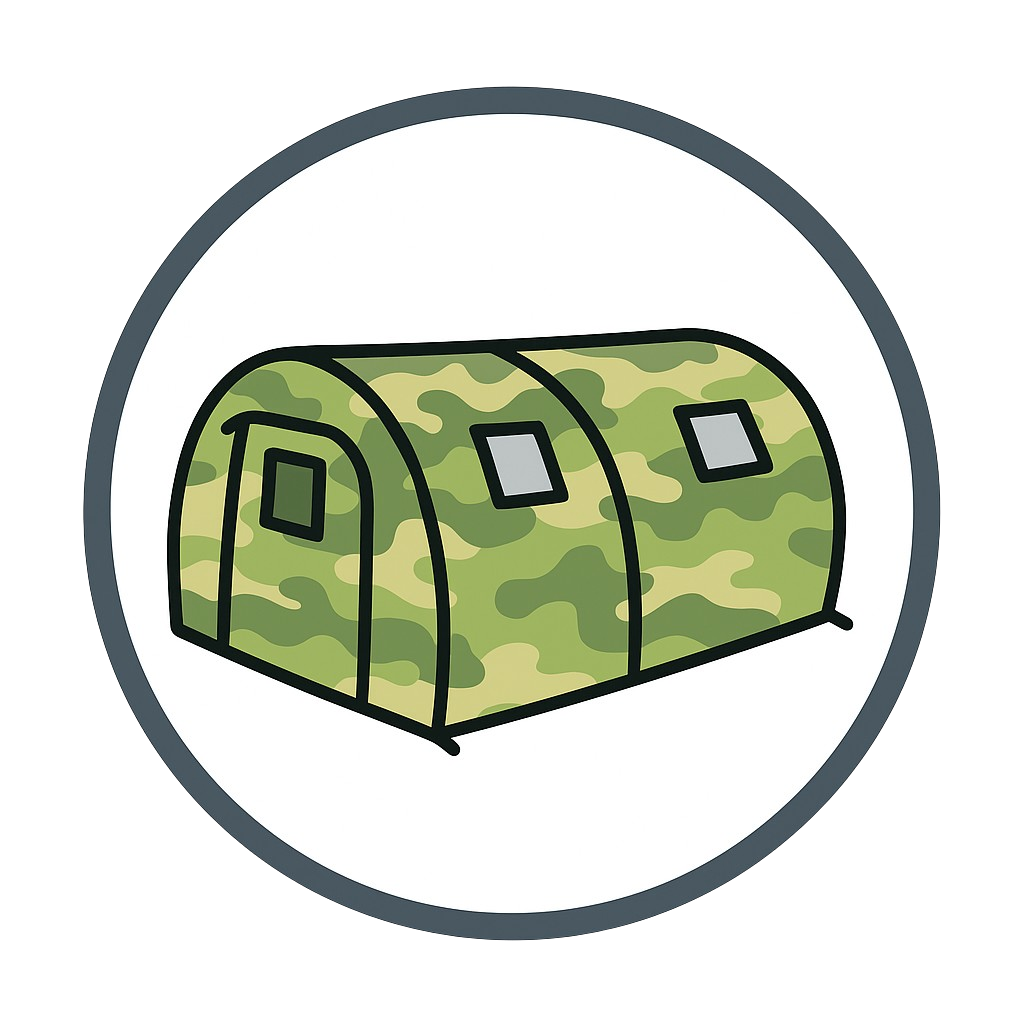
The RIGLOO Defender Woodland is designed for rural or forested areas. Its camo pattern blends into natural surroundings, making it ideal for military or wilderness operations.
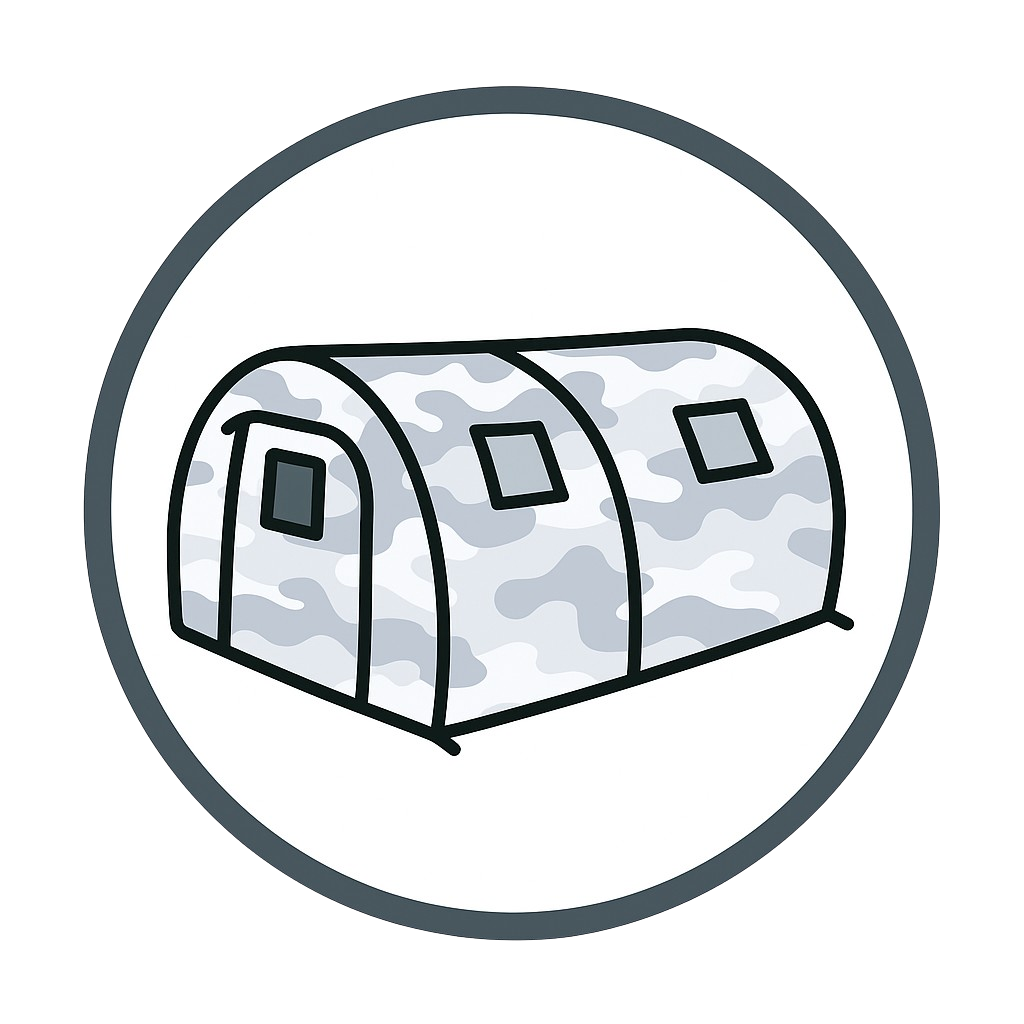
The RIGLOO Defender Tundra suits snowy or open terrain. With a low-visibility design, it offers discreet protection while delivering the same fast, reliable shelter performance.
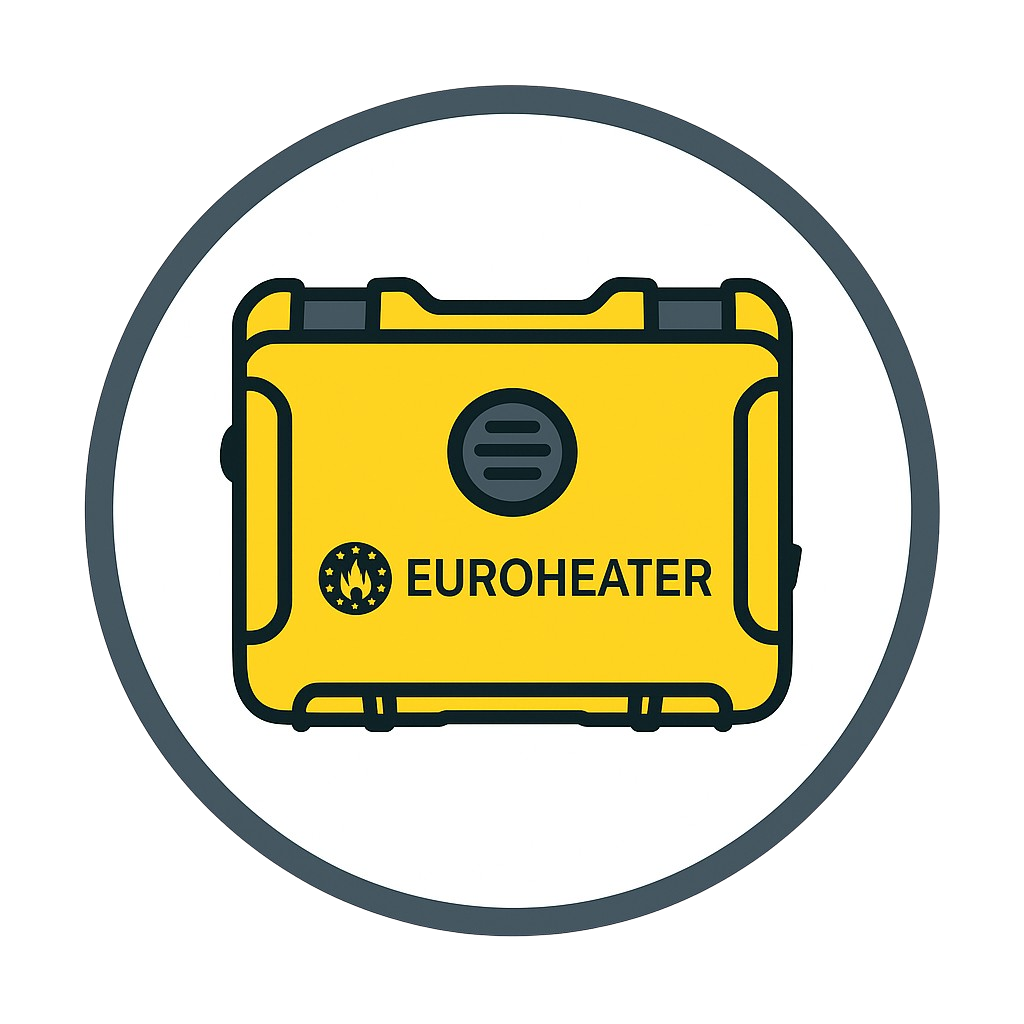
The EuroHeater is a compact, Diesel-powered heater to warm the inside of the Rigloo shelter. It helps maintain patient body temperature, supporting safe and effective prehospital care.
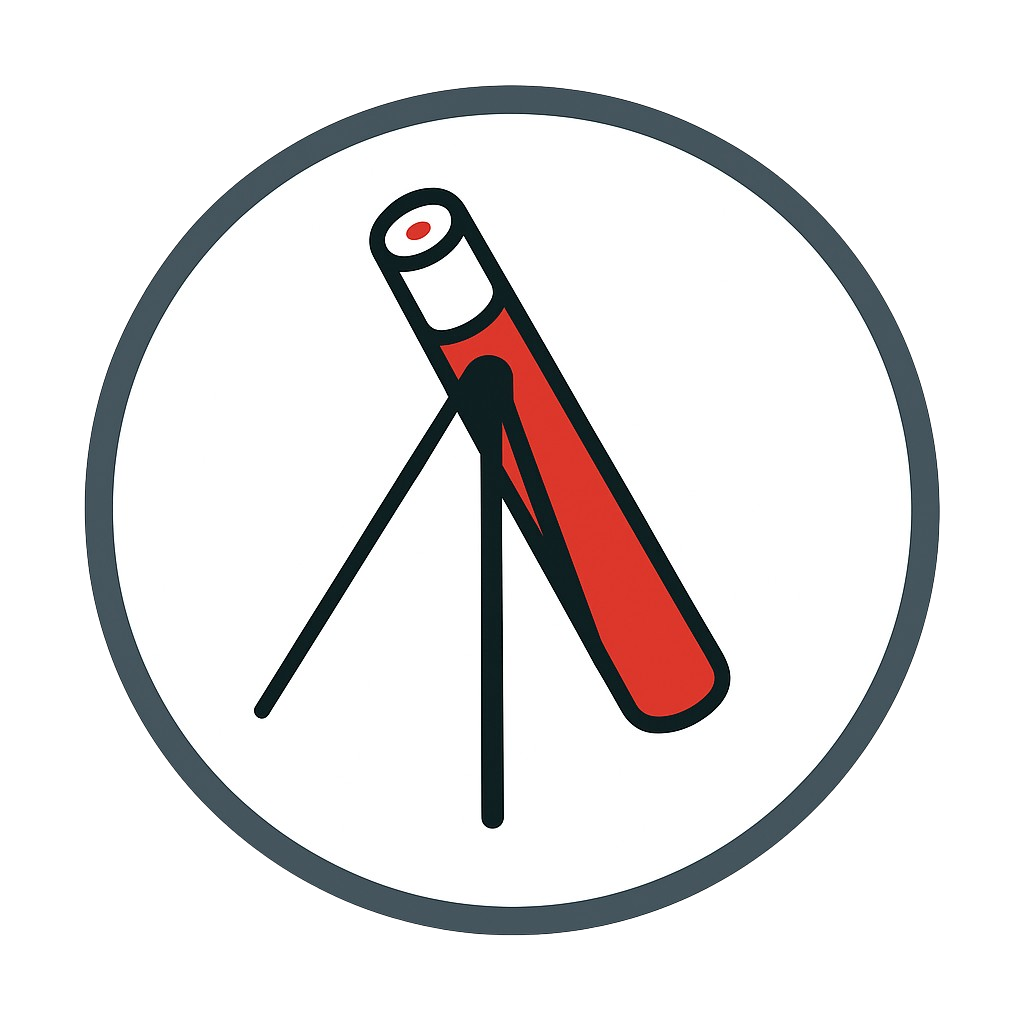
The CareFlare is a high-intensity, portable safety beacon used to mark the rescue site. Visible from a distance, it improves scene safety and guides additional responders to the location.

Rigloo is a Scottish invention. The design and engineering were carried out entirely in this country. The idea behind Rigloo was inspired by harsh weather conditions and the specific requirements for mobile emergency shelters.
RIGLOO SHELTERS ADVANTAGES
RIGLOO Medical Shelters protect medical staff and patients from the prying eyes of onlookers. RIGLOO Shelters also protect the patient and physician from environmental influences such as wind, rain, cold, and sun, allowing for more focused and calm treatment. Protection from such environmental influences reduces stress and anxiety and can protect against excessive cooling (hyperthermia) of the patient.
The unique P.O.P.S. structure (Place / Over / Patient / Structure) allows the RIGLOO protective tent to be quickly and safely deployed over the patient and first responder. The declared goal is to move the patient as little as possible, treat him medically, and still protect him until transport can take place.
RIGLOO Medical Shelters allow first responders and physicians a high degree of freedom of movement during the treatment phase. In the RIGLOO Medical Shelters, a stretcher as well as other medical tools can be stored without any problems and the treating physician finds enough space next to it for the initial treatment.
RIGLOO Shelters serve a range of emergency situations. This applies to both civilian and tactical operations. The focus is always on prehospital care. RIGLOO Shelters are used for: Emergency care at accident scenes, protection in emergency situations, extended field care, search and rescue operations, medical emergencies, roadside rescues, and much more.
The aim is to move the victims as little as possible. To achieve this, the medical shelter must be able to be placed over the patient and the first rescuer. Thanks to a removable bottom, the RIGLOO Medical Shelters can be placed over the patient and the first rescuer and protect them from all unwanted influences
Quick to deploy and reusable – RIGLOO Medical Shelters are quick to set up and deploy. On average, the Medical & Ambulance Shelters are ready for use in one minute. The RIGLOO Shelters have inflatable and stable air chambers which enable this quick setup.
The RIGLOO Medical & Ambulance Shelter is easy to carry, inflate and operate. The RIGLOO Shelter is appropriately lightweight and is carried in a backpack that contains everything you need in an emergency. It can therefore be used not only by emergency responders in the prehospital phase but also by inexperienced persons to create a shelter until the rescue professionals arrive.
RIGLOO Shelters are designed with the needs of emergency responders in the prehospital phase in mind. RIGLOO Medical Shelters, therefore, feature the following solutions: IV Fluid Bag Attachment – Loops and pockets for holding or hanging saline, blood bags, and accessories are always present on RIGLOO shelter tents.
RIGLOO shelter tents are designed to be carried or stored in a bag or backpack. RIGLOO shelter tents weigh 8 kg including pump. RIGLOO Shelter solutions can easily be carried on a small emergency vehicle such as a quad bike or motorcycle. The RIGLOO backpack fits in almost every trunk of a vehicle.
RIGLOO protective shelters are robust, durable, and waterproof. Range of use from -50 Celsius to +60 Celius. SPF sun protection factor 30. RIGLOO shelters are not designed to spend days. It is about protection for short periods of time until the patient is transported away. RIGLOO shelters can be used several times
RIGLOO shelters are equipped with airflow controls and mosquito nets. Deployments in different climatic zones are therefore naturally part of the repertoire of a RIGLOO solution.
RIGLOO USECASES
Provides instant weather protection and privacy for patients and responders at crash scenes.
Covers injured workers immediately, shielding them from dust, noise, and public view.
Offers a private and weather-safe area for treating athletes directly on the field.
Lightweight and portable shelter for harsh terrain, preventing hypothermia and exposure.
Acts as a quick-deploy treatment space for triage and emergency care in large-scale events.
Camouflage versions provide discreet field care under tough and unpredictable conditions.
Serves as an immediate protective station for evacuees or rescue personnel in crisis zones.
Gives medical teams a fast and private setup for crowd-related incidents or minor injuries.
Temporary shelter solution for vulnerable people during heatwaves or freezing temperatures.
Covers patients on site before airlift, eliminating the need to move them pre-transport.

Request an Offer
Get a individual and customized quote tailored to the needs of your organization.

Become a Partner
Join our global network of trusted distribution and training partners.
Rigloo patient protection Sheltertents at sporting events
Sports events such as marathons, bike races, triathlons, and soccer games attract thousands of spectators and are subject to intense media scrutiny. In the event of an accident or medical emergency, an injured person finds themselves in a particularly sensitive situation—physically weakened, emotionally stressed, and at the same time in a public environment where numerous cameras, cell phones, and microphones are present.
In such moments, not only medical assistance is needed, but also a protective space that guarantees dignity, privacy, and safety. This is exactly where Rigloo’s solution comes in: with mobile, quickly deployable protective tents that create a protected space for first aid within a very short time.
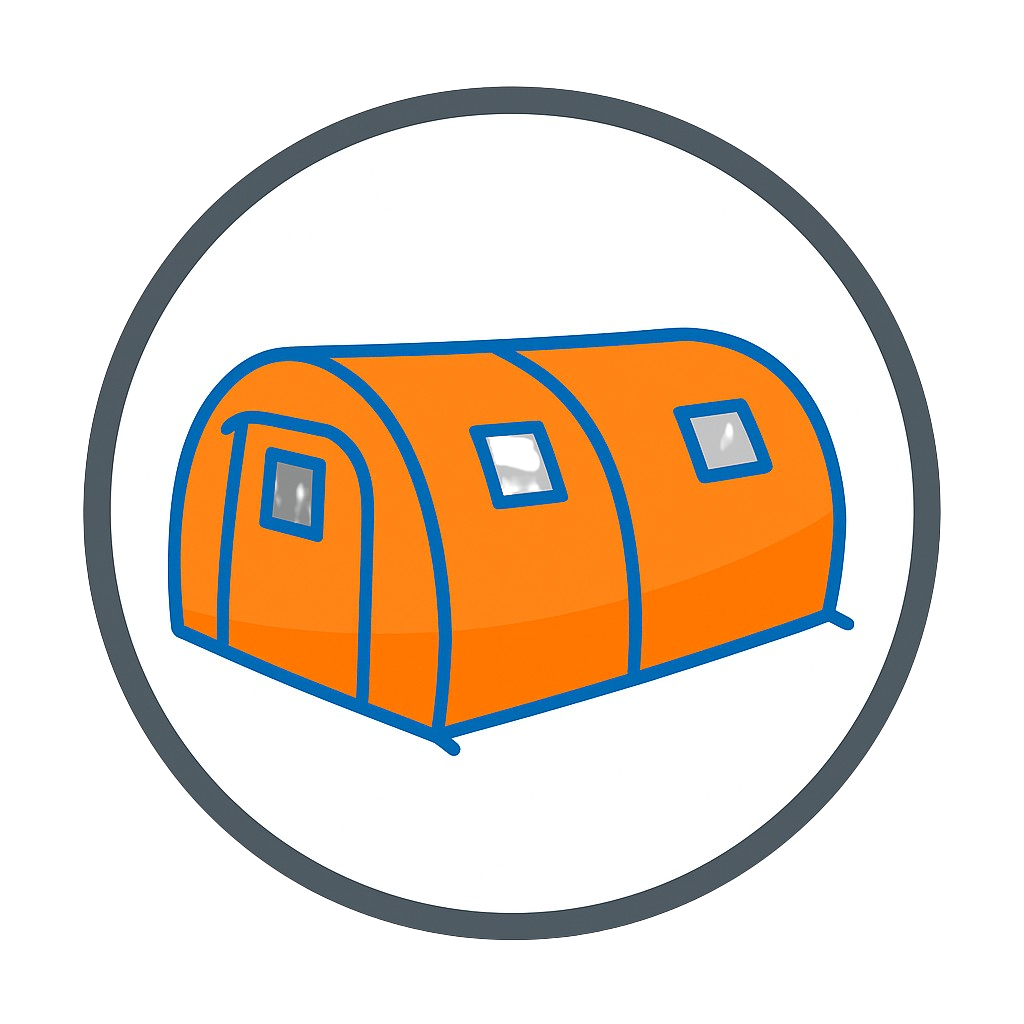
The RIGLOO Rescuer Orange is a high-visibility emergency shelter, ideal for urban or roadside use. Its bright color ensures quick location and added safety in busy environments.
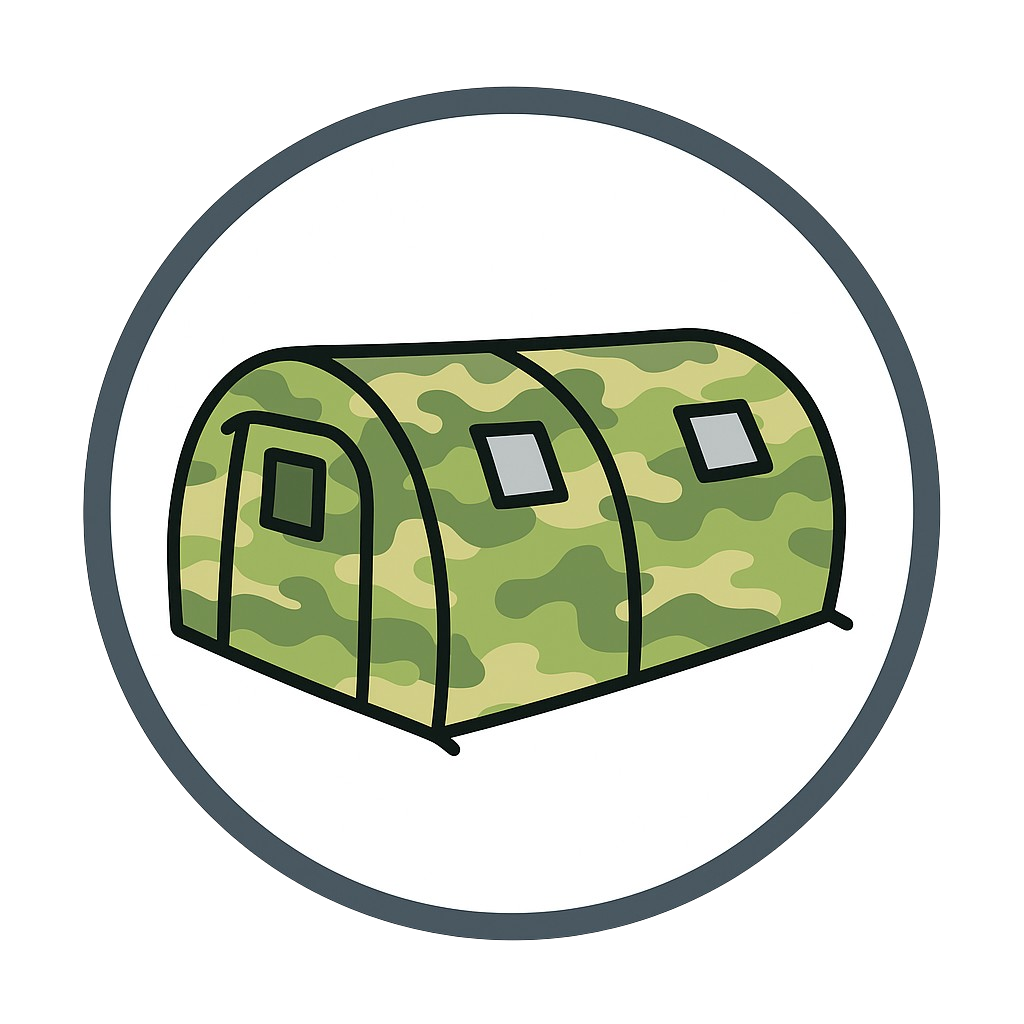
The RIGLOO Defender Woodland is designed for rural or forested areas. Its camo pattern blends into natural surroundings, making it ideal for military or wilderness operations.
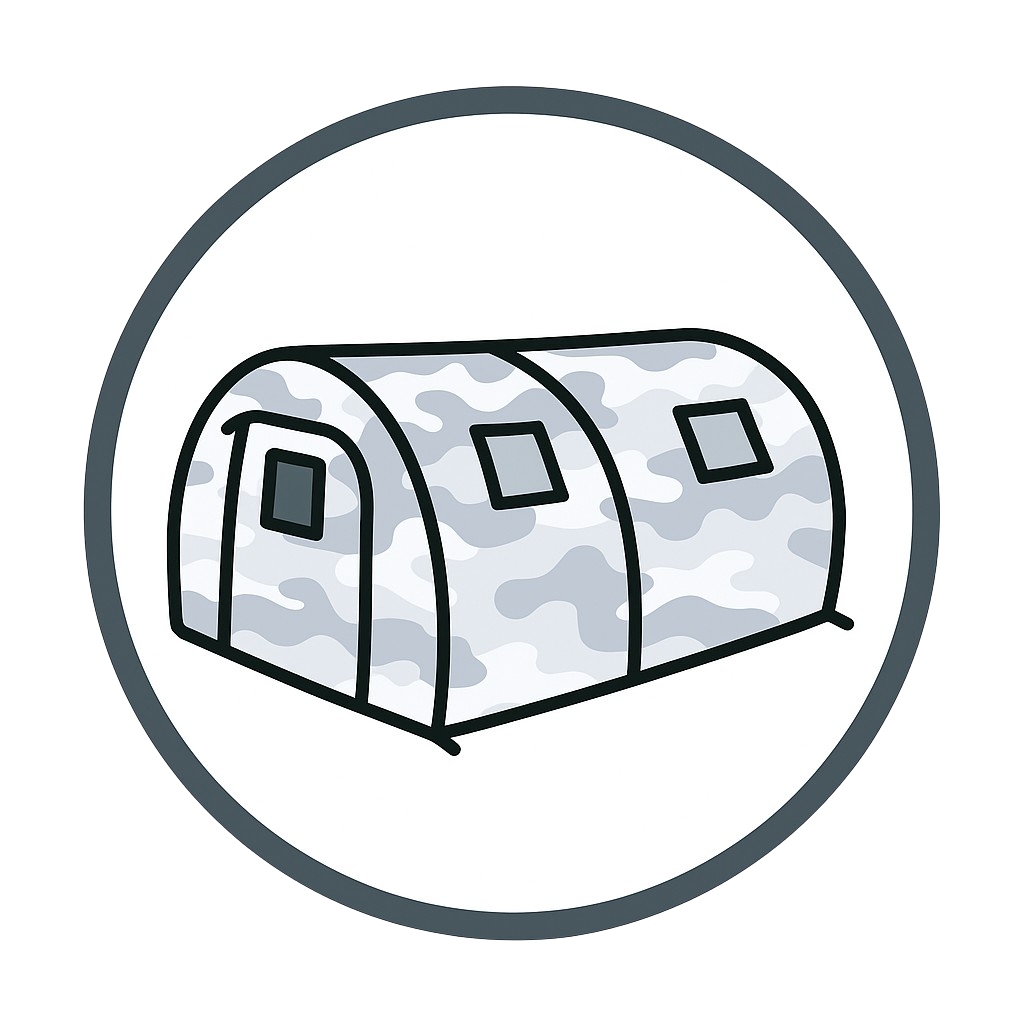
The RIGLOO Defender Tundra suits snowy or open terrain. With a low-visibility design, it offers discreet protection while delivering the same fast, reliable shelter performance.
Example situation
Imagine a large city marathon event. A runner collapses about 20 meters before the finish line and lies motionless. Before emergency services can intervene, numerous smartphones are already pointed at him. Images of his condition, his helplessness, and the medical measures being taken spread across social media. Within minutes, images and videos appear, accompanied by speculation and comments. The injured person has no way of protecting themselves or influencing how they are portrayed.
How Rigloo helps
Rigloo protective tents can be crucial in situations like this. They can be set up in seconds and effectively shield the affected area from view. This creates a protected space where medical procedures can be carried out discreetly, regardless of the size of the crowd or media presence.
This privacy screen not only protects privacy, but also helps medical personnel to concentrate fully on providing care. At the same time, it prevents images or videos from being taken that violate the injured person’s personal rights or could later lead to reputational or psychological damage in public.
Legal requirements
From a legal perspective, the protection of the privacy of injured persons is clearly regulated. According to the General Data Protection Regulation (GDPR), personal data – including image and video recordings – may not be processed or published without consent. The German Art Copyright Act (KUG) also clarifies that photos of persons in helpless or humiliating situations may not be published without their express consent.
Discretion is also a duty from a medical and professional ethics perspective. Medical confidentiality, which is enshrined in various legal foundations such as the Criminal Code and the Social Security Code, obliges medical personnel to maintain confidentiality—including with regard to the circumstances of care. The use of privacy screens is therefore not only helpful, but in many cases a legal requirement.
Ethical responsibility
Regardless of the legal framework, the question remains of how to deal with the dignity and protection of people in acute distress in a modern, media-dominated society. Publicly displaying an injured person without their consent is ethically unacceptable. It exacerbates trauma, violates the right to privacy, and can damage trust in rescue systems in the long term.
A protective tent such as the one from Rigloo, on the other hand, shows respect and a sense of responsibility. It creates an atmosphere in which people are perceived as individuals – not as events to be exploited by the media.
Benefits for patients and medical staff
For those affected, the use of such privacy screens primarily means protection: from prying eyes, from humiliation, and from the unwanted dissemination of personal images. This can significantly ease the psychological processing of the event and prevent subsequent traumatization.
For medical personnel, it creates a space in which they can work professionally and with concentration, without distraction or pressure from outsiders. It is a simple but enormously effective contribution to the quality of first aid—and to maintaining confidentiality.
What can happen without this solution
If privacy screens are not used in such situations, scenes quickly arise that are exploited in social media, press reports, or TV reports. The person affected involuntarily becomes part of a media narrative, loses control over their portrayal—and possibly their future.
Organizers face legal action and considerable damage to their image. The costs can be immense: claims for damages, court proceedings, declining attendance at future events, the loss of sponsors, or public mistrust of the rescue concept.
Long-term health costs for those affected – for example, due to psychological disorders or delayed recovery due to additional stress – are also conceivable. All these consequences could be avoided with a cost-effective and easy-to-use solution such as Rigloo.
Conclusion
The use of Rigloo protective tents at sporting events with large audiences is more than just an organizational detail—it is a sign of modern responsibility in public spaces. It combines legal certainty with ethical conduct and creates real added value: for those affected, for medical personnel, for event organizers, and for society as a whole.
If you like, I can also convert this text into other formats – such as a one-pager, presentation slide, or info text for an event concept. Just let me know.
FOR OPTIMAL SAFETY: The CareFlare is a portable safety beacon with high directional luminosity that is used to mark the rescue site. It is visible from a great distance, improves safety at the accident site, and guides additional rescue personnel to the scene.
FOR ACTIVE HEAT PRODUCTION: The EuroHeater is a compact, diesel-powered heater for heating the Rigloo protective tent. It helps to actively maintain the body temperature of patients.
Rigloo as privacy protection in the pre-hospital care phase
After rescuing an accident victim from a vehicle or danger zone, a critical phase of care begins: pre-hospital stabilization. Immediate transport is not always possible—whether because the rescue helicopter is still on its way, no intensive care transport is available, or because the patient’s condition requires further stabilization at the scene of the accident.
It is precisely during this transition period – between rescue and transport – that Rigloo comes into play as an effective bridging solution. The tent provides a protected space in the pre-hospital phase where emergency doctors and paramedics can carry out medical procedures such as intubation, infusion therapy, or the assessment of life-threatening injuries in peace and seclusion.
These minutes are often crucial for the patient’s survival. At the same time, they are particularly sensitive in terms of privacy: the patient is injured, possibly undressed, in a helpless position – while the surroundings remain accessible to the public and visible to onlookers. Rigloo creates a temporary but complete privacy screen in this situation, which remains in place until transport begins.
Whether by ambulance, helicopter, or in special situations with delays, the tent closes a gap in the rescue concept that was previously often bridged by blankets, privacy screens, or makeshift measures—often with insufficient effect.
Rigloo is therefore not a substitute for medical equipment, but a sensible, ethically necessary addition to the pre-hospital care system. It improves the working conditions of emergency personnel, increases the quality of care, and protects the patient’s privacy during this critical interim phase.
Cost-effectiveness, risk, and total cost of ownership
It is understandable that operators of emergency vehicles – whether municipal, private, or part of public-private partnerships – have to calculate their expenses very carefully. Purchases that are not directly necessary for emergency services are usually only made if they are required by law or absolutely necessary for operations. Based on this logic, investments in additional protective measures such as Rigloo tents appear at first glance to be “nice to have” rather than a necessity.
However, this view is too narrow. Anyone who considers the overall economic benefits quickly realizes that investing in Rigloo is not only ethically imperative, but also economically sensible.
From the perspective of total cost of ownership – i.e., the overall view of all direct and indirect costs over the life cycle of a measure – it becomes clear that short-term savings on the purchase of privacy protection equipment can result in significantly higher costs in the long term.
If, for example, personal rights are violated because there is no privacy protection, the following risks arise:
- legal disputes,
- claims for damages,
- reputational damage to operators and emergency services,
- long-term psychological effects on those affected, leading to lengthy therapy,
- and a decline in public confidence in emergency services.
These consequences incur high costs – not only for those directly involved, but for the economy as a whole. Psychosocial rehabilitation measures, loss of earnings, loss of reputation, strain on the judicial system, and difficulties in retaining personnel in the emergency services are among the hidden but real follow-up costs of not having a protective solution in place.
A Rigloo tent, on the other hand, is a one-time purchase with low maintenance costs that can be used for years. In relation to the frequency of use – and to prevent even a single media-effective incident – the return on prevention is clearly positive.
From a legal perspective, too, the use of such protective measures is not a luxury, but a strategic risk minimization. After all, anyone who could have demonstrably prevented violations of personal rights by simple means can be held responsible not only morally, but also legally in the event of damage.
Conclusion: A purely short-term investment calculation ignores the significant economic and legal risks. Those who act responsibly recognize solutions such as Rigloo as a tool for avoiding costs, reducing risks, and securing trust and functionality in the rescue system in the long term.
Return on Prevention (RoP)
Return on Prevention (RoP) is a business and economic indicator that describes how much benefit or savings are achieved by a preventive measure in relation to its costs. In other words, it answers the question of whether prevention “pays off” financially – not just morally or politically, but in concrete terms in dollars.
Definition
Return on Prevention = (cost savings through damage prevention) ÷ (cost of preventive measure)
An RoP of 2.0 means that for every dollar invested, two dollars in potential damage, follow-up costs, or indirect expenses are saved.
Application in emergency services (e.g., with Rigloo)
If, for example, a Rigloo protective tent costs $1,200 but its use prevents:
- a violation of personal rights (potentially $10,000 in damages),
- a victim being traumatized (therapy costs, lost earnings, etc.),
- damage to the image of an aid organization (loss of donations, members, trust),
then the return on prevention is very high. Avoiding just one media-effective incident can exceed the investment many times over.
Origin and acceptance – The term originally comes from occupational health and safety, in particular from studies by the International Social Security Association (ISSA). A frequently cited study concluded that every euro invested in prevention saves around 2.20 euros in follow-up costs – a figure that is used across all industries.
Why RoP is important
Many decisions – especially in the public sector – are made under pressure to save money. The return on prevention helps to distinguish between short-term savings and investments that make sense in the long term. It is an argumentative tool that can be used against controllers, administrators, politicians, and cost bearers. In relation to Rigloo, this means that it is not a question of whether you can afford privacy protection – but whether you can afford to do without it.
- Vogt-CTE GmbH
- Erlenauweg 17
- CH 3110 Münsingen
- +41 33 223 72 12
- info@vogt-cte.com
- VAT CH - CHE-251.716.630 MWST
- UID CH - CHE-251.716.630
- CH ID - CH-036-4065213-9
- EORI - DE684075747272454
- ZAZ - 17790-0 Vogt-CTE GmbH
WE SUPPLY RESCUE INNOVATIONS
At Vogt-CTE, we offer our European trading partners access to unique innovations in the field of rescue. Our solutions make rescue operations easier, faster, safer, and less resource-intensive. The products we represent are highly specialized, proven in the field, and make a real difference — saving lives every day. We don’t just bring products to market — we deliver progress. Together with our partners, we ensure that these innovations reach the people who need them most: those on the front lines of rescue operations.