PATIENT PRIVACY AND PROTECTION
A Rigloo shelter is a lightweight, inflatable emergency tent designed for first responders. It can be quickly placed over the patient and rescuer without moving them, which is vital in trauma cases.
It provides immediate protection from weather, helps retain body heat, and offers privacy in public areas. The Rigloo is compact, fast to deploy, and protects both patient and responder, allowing safer and more effective care. In short, it’s a portable emergency shelter that can save lives when time matters.
THE UNIQUE P.O.P.S. STRUCTURE
Due to the unique P.O.P.S. structure (Place / Over / Patient / Structure), the RIGLOO Prehospital Shelter Tent can be quickly and safely placed over the patient and the first responder without moving them.
This feature is crucial for a shelter like Rigloo because the unique P.O.P.S. structure allows it to be quickly placed over the patient and responder without moving them. This minimizes risk in critical situations and provides immediate protection from weather and public view, improving safety and care on scene.

The RIGLOO Rescuer Orange is a high-visibility emergency shelter, ideal for urban or roadside use. Its bright color ensures quick location and added safety in busy environments.
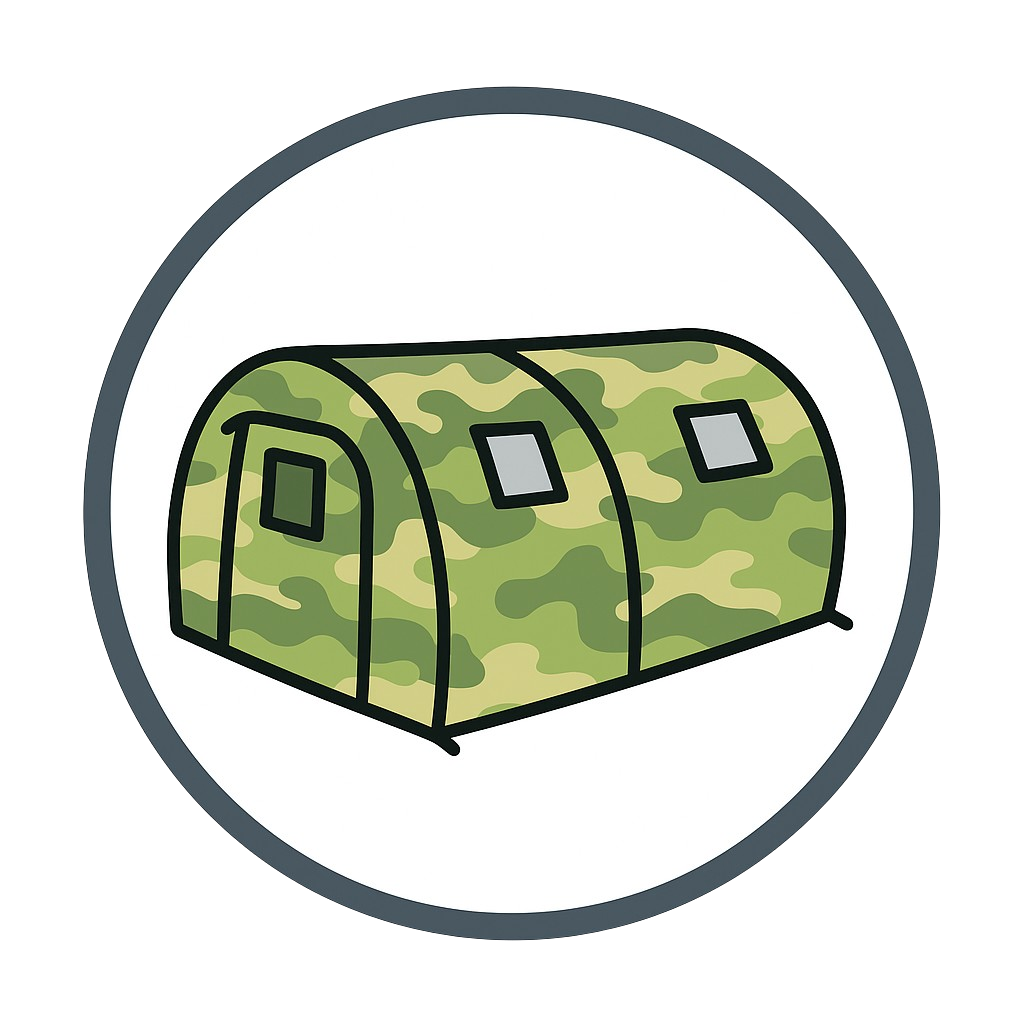
The RIGLOO Defender Woodland is designed for rural or forested areas. Its camo pattern blends into natural surroundings, making it ideal for military or wilderness operations.
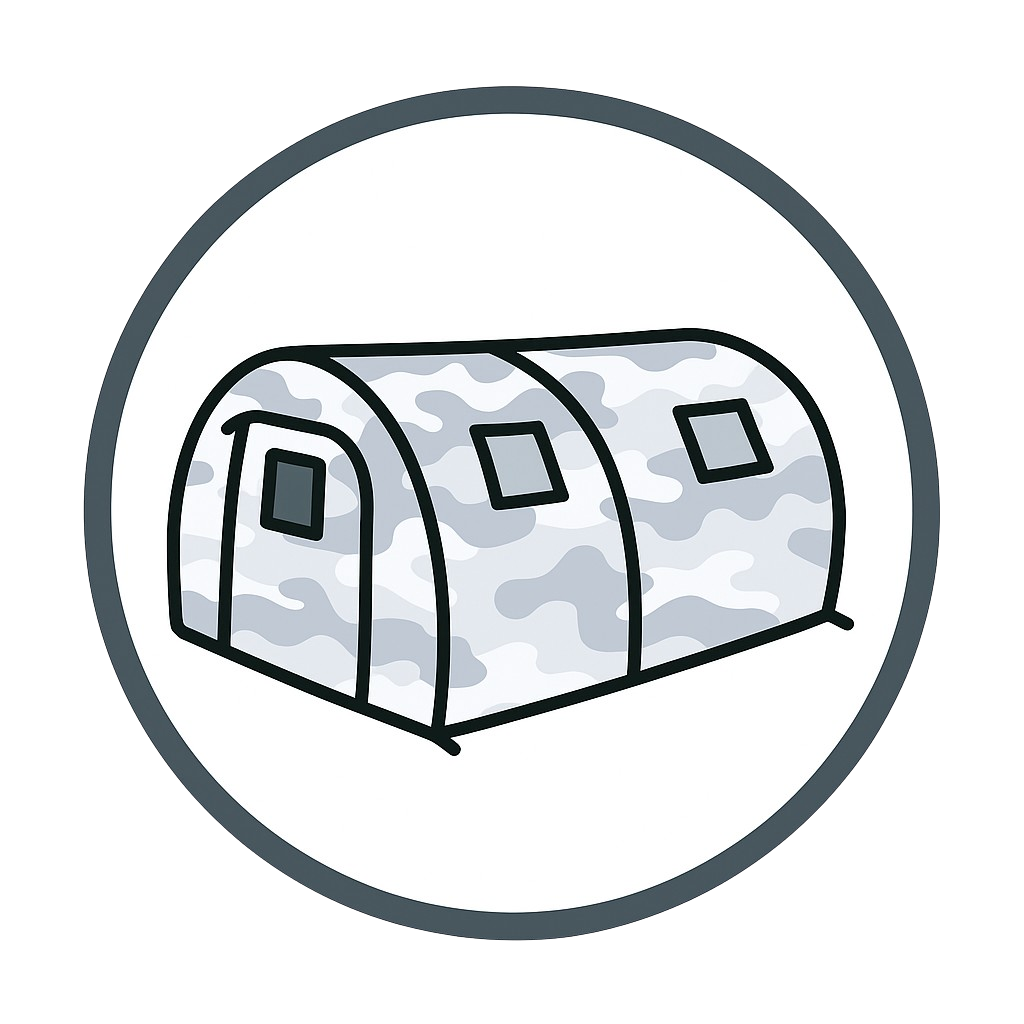
The RIGLOO Defender Tundra suits snowy or open terrain. With a low-visibility design, it offers discreet protection while delivering the same fast, reliable shelter performance.
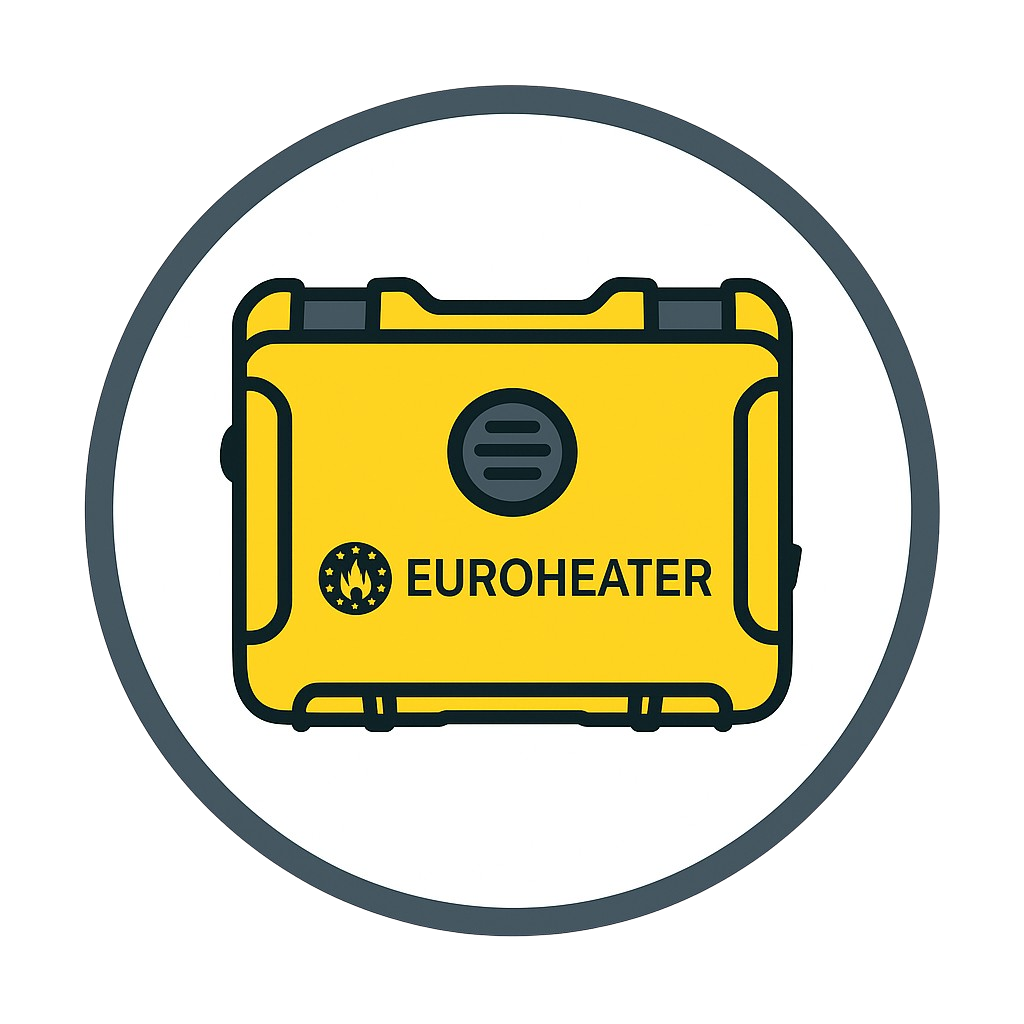
The EuroHeater is a compact, Diesel-powered heater to warm the inside of the Rigloo shelter. It helps maintain patient body temperature, supporting safe and effective prehospital care.
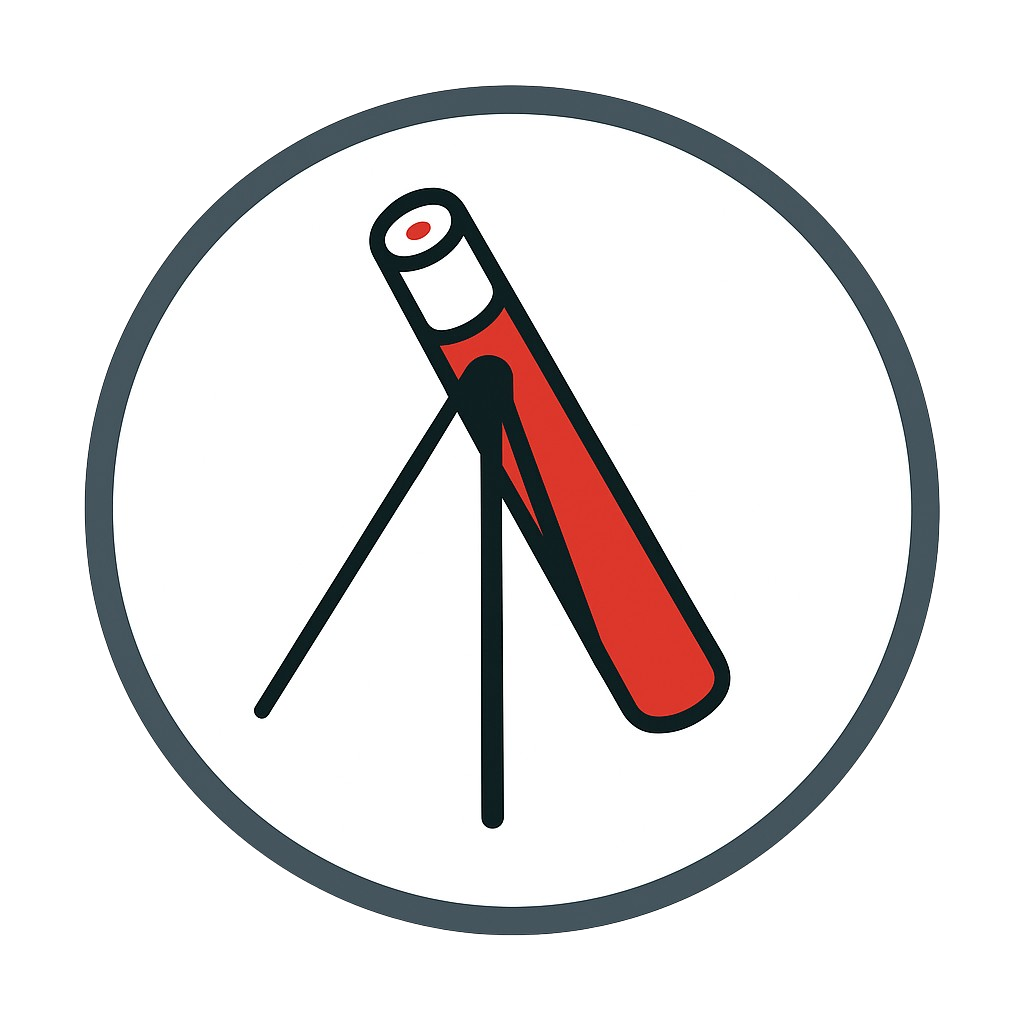
The CareFlare is a high-intensity, portable safety beacon used to mark the rescue site. Visible from a distance, it improves scene safety and guides additional responders to the location.

Rigloo is a Scottish invention. The design and engineering were carried out entirely in this country. The idea behind Rigloo was inspired by harsh weather conditions and the specific requirements for mobile emergency shelters.
RIGLOO SHELTERS ADVANTAGES
RIGLOO Medical Shelters protect medical staff and patients from the prying eyes of onlookers. RIGLOO Shelters also protect the patient and physician from environmental influences such as wind, rain, cold, and sun, allowing for more focused and calm treatment. Protection from such environmental influences reduces stress and anxiety and can protect against excessive cooling (hyperthermia) of the patient.
The unique P.O.P.S. structure (Place / Over / Patient / Structure) allows the RIGLOO protective tent to be quickly and safely deployed over the patient and first responder. The declared goal is to move the patient as little as possible, treat him medically, and still protect him until transport can take place.
RIGLOO Medical Shelters allow first responders and physicians a high degree of freedom of movement during the treatment phase. In the RIGLOO Medical Shelters, a stretcher as well as other medical tools can be stored without any problems and the treating physician finds enough space next to it for the initial treatment.
RIGLOO Shelters serve a range of emergency situations. This applies to both civilian and tactical operations. The focus is always on prehospital care. RIGLOO Shelters are used for: Emergency care at accident scenes, protection in emergency situations, extended field care, search and rescue operations, medical emergencies, roadside rescues, and much more.
The aim is to move the victims as little as possible. To achieve this, the medical shelter must be able to be placed over the patient and the first rescuer. Thanks to a removable bottom, the RIGLOO Medical Shelters can be placed over the patient and the first rescuer and protect them from all unwanted influences
Quick to deploy and reusable – RIGLOO Medical Shelters are quick to set up and deploy. On average, the Medical & Ambulance Shelters are ready for use in one minute. The RIGLOO Shelters have inflatable and stable air chambers which enable this quick setup.
The RIGLOO Medical & Ambulance Shelter is easy to carry, inflate and operate. The RIGLOO Shelter is appropriately lightweight and is carried in a backpack that contains everything you need in an emergency. It can therefore be used not only by emergency responders in the prehospital phase but also by inexperienced persons to create a shelter until the rescue professionals arrive.
RIGLOO Shelters are designed with the needs of emergency responders in the prehospital phase in mind. RIGLOO Medical Shelters, therefore, feature the following solutions: IV Fluid Bag Attachment – Loops and pockets for holding or hanging saline, blood bags, and accessories are always present on RIGLOO shelter tents.
RIGLOO shelter tents are designed to be carried or stored in a bag or backpack. RIGLOO shelter tents weigh 8 kg including pump. RIGLOO Shelter solutions can easily be carried on a small emergency vehicle such as a quad bike or motorcycle. The RIGLOO backpack fits in almost every trunk of a vehicle.
RIGLOO protective shelters are robust, durable, and waterproof. Range of use from -50 Celsius to +60 Celius. SPF sun protection factor 30. RIGLOO shelters are not designed to spend days. It is about protection for short periods of time until the patient is transported away. RIGLOO shelters can be used several times
RIGLOO shelters are equipped with airflow controls and mosquito nets. Deployments in different climatic zones are therefore naturally part of the repertoire of a RIGLOO solution.
RIGLOO USECASES
Provides instant weather protection and privacy for patients and responders at crash scenes.
Covers injured workers immediately, shielding them from dust, noise, and public view.
Offers a private and weather-safe area for treating athletes directly on the field.
Lightweight and portable shelter for harsh terrain, preventing hypothermia and exposure.
Acts as a quick-deploy treatment space for triage and emergency care in large-scale events.
Camouflage versions provide discreet field care under tough and unpredictable conditions.
Serves as an immediate protective station for evacuees or rescue personnel in crisis zones.
Gives medical teams a fast and private setup for crowd-related incidents or minor injuries.
Temporary shelter solution for vulnerable people during heatwaves or freezing temperatures.
Covers patients on site before airlift, eliminating the need to move them pre-transport.

Request an Offer
Get a individual and customized quote tailored to the needs of your organization.

Become a Partner
Join our global network of trusted distribution and training partners.
Hypothermia in rescue operations: risks, responsibilities, and how Rigloo can help stabilize patients
Hypothermia – the silent danger in emergency situations – In many emergency situations, the threat of hypothermia that has already set in is underestimated. However, hypothermia is a critical factor that can significantly worsen the outcome for injured and ill patients – especially in cases of trauma, shock, unconsciousness, or prolonged exposure to the elements.
The challenge is to protect the body temperature of those affected at an early stage, even under adverse conditions such as rain, wind, snow, or cold asphalt. Especially for injured people in public spaces or in the field, a controlled microclimatic environment is often not available.
Important basics:
- Hypothermia can begin at ambient temperatures below 15°C, especially in people who are resting, wet, or immobile.
- Heat loss accelerates circulatory failure, coagulation disorders, and mortality.
- Visible symptoms often appear late—prevention is crucial.
Note: This page contains general information on the topic of hypothermia. We strongly recommend that you check the content regularly to ensure that it is up to date and accurate. Please note that this information is not a substitute for medical advice. Always consult qualified personnel or a doctor and follow their instructions for the diagnosis, prevention, and treatment of hypothermia.

The RIGLOO Rescuer Orange is a high-visibility emergency shelter, ideal for urban or roadside use. Its bright color ensures quick location and added safety in busy environments.
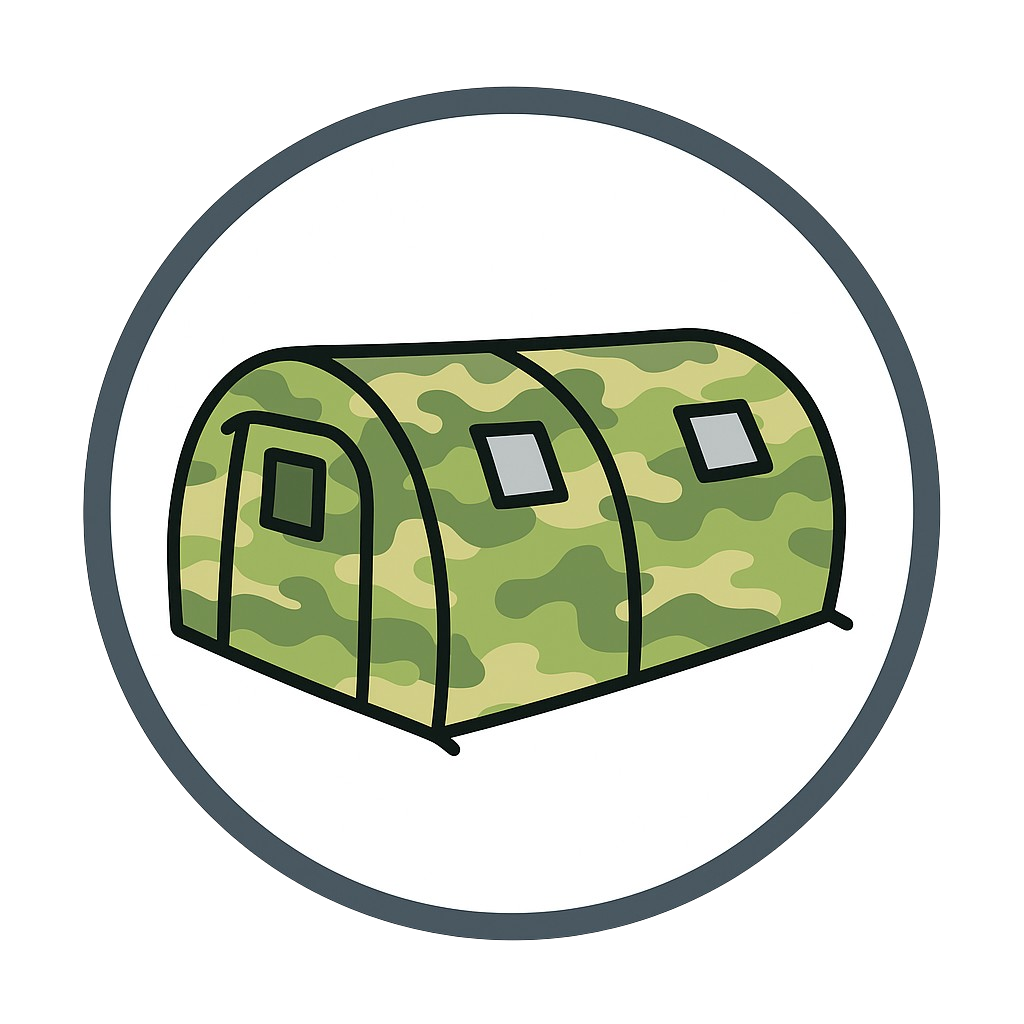
The RIGLOO Defender Woodland is designed for rural or forested areas. Its camo pattern blends into natural surroundings, making it ideal for military or wilderness operations.
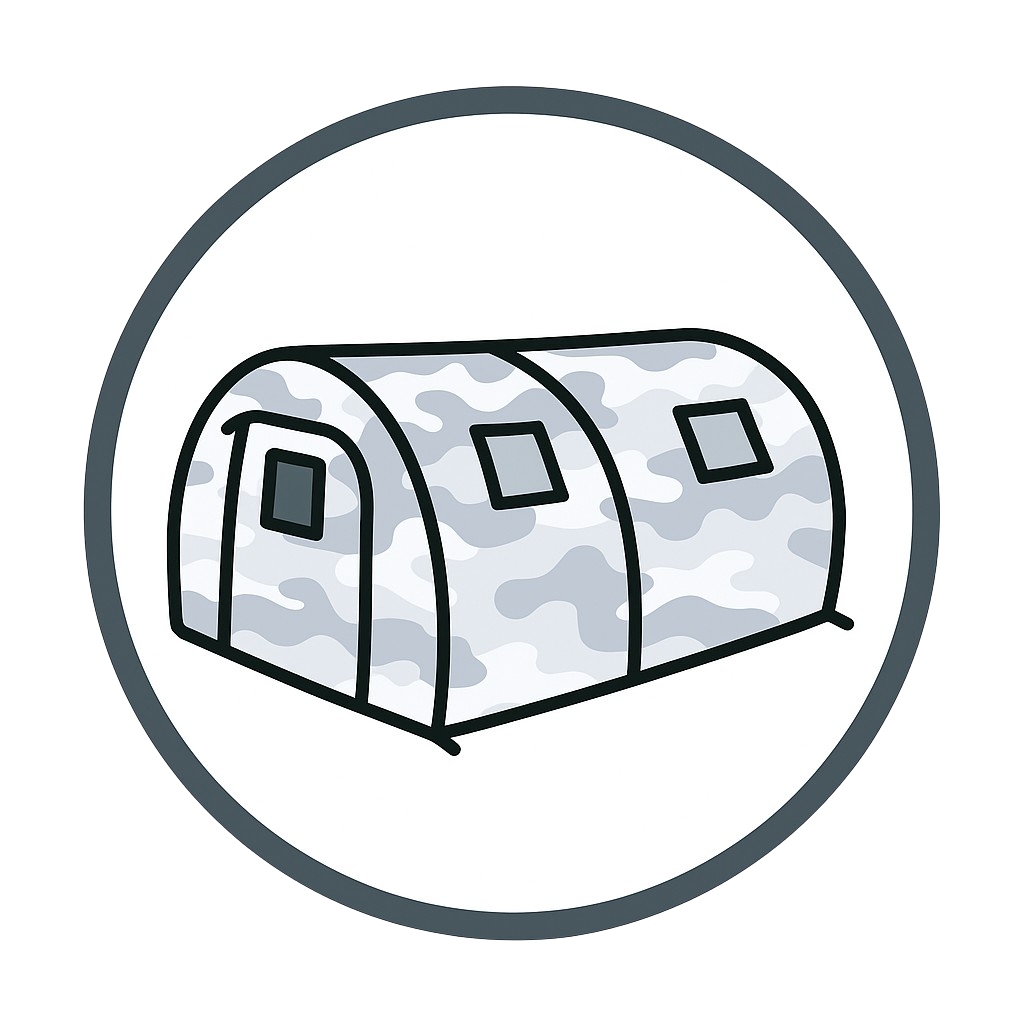
The RIGLOO Defender Tundra suits snowy or open terrain. With a low-visibility design, it offers discreet protection while delivering the same fast, reliable shelter performance.
Medical background: What happens during hypothermia?
Hypothermia is defined as a core body temperature below 35°C. At this point, physiological functions begin to deteriorate: the pulse becomes weaker, breathing becomes irregular, and blood clotting is impaired—which can lead to the “lethal triad” of hypothermia, acidosis, and coagulopathy, especially in trauma patients.
Medical effects at a glance:
- From 35°C: Shivering, confusion, slow pulse
- Below 33°C: Loss of consciousness, increased risk of cardiac arrhythmia
- Below 30°C: Life-threatening bradycardia, ventricular fibrillation, death
Important: The diagnosis and treatment of hypothermia should only be carried out by a doctor. Rigloo can be used as a technical measure to support medical care, but it is not a substitute for it.
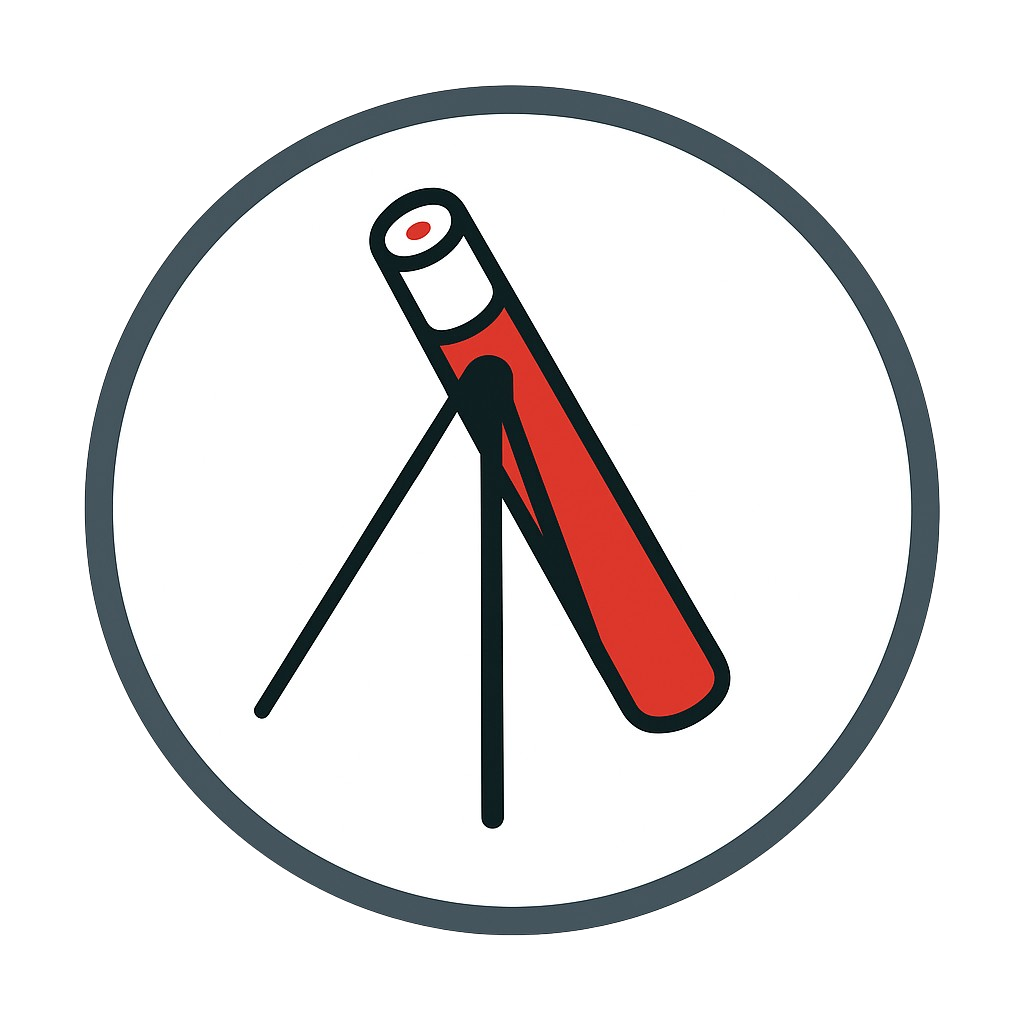
FOR OPTIMAL SAFETY: The CareFlare is a portable safety beacon with high directional luminosity that is used to mark the rescue site. It is visible from a great distance, improves safety at the accident site, and guides additional rescue personnel to the scene.
FOR ACTIVE HEAT PRODUCTION: The EuroHeater is a compact, diesel-powered heater for heating the Rigloo protective tent. It helps to actively maintain the body temperature of patients.
European recommendations: Early thermal insulation is mandatory
Several guidelines—including those of the European Resuscitation Council (ERC) and the Committee for Tactical Emergency Casualty Care (TECC)—explicitly state that heat retention must begin at the scene of the accident. Hypothermia and its prevention are also considered priority measures in pre-hospital care.
Relevant standards:
- Hypothermia prevention is part of the ABCDE algorithm (“E = Exposure / Environmental Control”).
- Emergency responders are required to take measures to maintain body temperature.
- Maintaining body temperature is part of basic medical care and is relevant to liability.
Practical problems:
- Patients are lying on cold surfaces.
- Emergency blankets alone are often not sufficient in windy or wet conditions.
- Warm rescue equipment or vehicles are not immediately available
Rigloo as a contribution to hypothermia prevention
The Rigloo protective tent was not only developed to provide privacy, but also fulfills important functions in protecting against cold, wind, and moisture. It allows the temporary creation of an insulated microclimate that protects patients from further heat loss—even before medical thermal care can begin.
Rigloo provides support through:
- Weatherproof, windproof cover against heat loss through convection
- Quick setup without additional resources or technology
- Immediate protection from rain, snow, and wind in any position
Depending on the version, reusable thermal inner walls or floor-protecting insulating mats can also be integrated to further increase the protective effect.
Practical advantages of Rigloo in cold protection
Rigloo can play a decisive role in stabilizing patients in the early stages – especially in the following cases:
- Accident victims on cold asphalt, soil, or snow
- Long waiting times for further medical care
- Operations in darkness, wind, or precipitation
- Injured persons during mountain rescues, evacuations, or large-scale operations
Additional benefits for emergency services:
- Protection of medical equipment from cooling
- Reduced workload due to fewer improvised heat retention measures
- Increased patient satisfaction and subjective feeling of safety
Scientific context: Thermal protection improves outcomes
Studies show that patients who are kept warm during the pre-hospital phase have a significantly lower mortality rate and require less intensive hospital treatment. Even passive prevention of hypothermia has been proven to have a positive effect on:
- Blood clotting and circulatory stability
- Responsiveness and neurological condition
- Medication effectiveness in shock management
Rigloo is not a substitute for medical heat therapy, but it can help to make a decisive difference in the time it takes to bridge the gap until medical treatment arrives.
Legal responsibility: Heat loss is preventable – and therefore potentially relevant in terms of liability
In many European countries, emergency services are required to protect patients from environmental influences. If hypothermia is detected despite simple preventive measures, legal consequences may arise for the responsible organizations and emergency services—especially in cases of:
- avoidable heat loss
- missing or insufficient documentation
- inadequate equipment
Rigloo can make a technically meaningful contribution to ensuring compliance with these obligations.
Conclusion: Hypothermia is a risk – Rigloo helps to reduce it.
Hypothermia is an acute, often underestimated risk in emergency situations. Early, passive thermal protection measures such as the Rigloo protective tent can significantly reduce the risk of hypothermia – especially in the critical first minutes after arrival at the scene.
Important:
- Use of this product does not replace medical assessment or treatment.
- A doctor must always be called as soon as hypothermia is suspected or diagnosed.
- Rigloo is a complementary tool that expands the scope of action for emergency responders and improves care.
Summary in three points:
- Hypothermia is life-threatening and begins sooner than many people think.
- Rigloo can actively help protect against heat loss and promote pre-hospital stability.
- Responsible rescue organizations use such solutions to minimize risk.

- Vogt-CTE GmbH
- Erlenauweg 17
- CH 3110 Münsingen
- +41 33 223 72 12
- info@vogt-cte.com
- VAT CH - CHE-251.716.630 MWST
- UID CH - CHE-251.716.630
- CH ID - CH-036-4065213-9
- EORI - DE684075747272454
- ZAZ - 17790-0 Vogt-CTE GmbH
WE SUPPLY RESCUE INNOVATIONS
At Vogt-CTE, we offer our European trading partners access to unique innovations in the field of rescue. Our solutions make rescue operations easier, faster, safer, and less resource-intensive. The products we represent are highly specialized, proven in the field, and make a real difference — saving lives every day. We don’t just bring products to market — we deliver progress. Together with our partners, we ensure that these innovations reach the people who need them most: those on the front lines of rescue operations.