PATIENT PRIVACY AND PROTECTION
A Rigloo shelter is a lightweight, inflatable emergency tent designed for first responders. It can be quickly placed over the patient and rescuer without moving them, which is vital in trauma cases.
It provides immediate protection from weather, helps retain body heat, and offers privacy in public areas. The Rigloo is compact, fast to deploy, and protects both patient and responder, allowing safer and more effective care. In short, it’s a portable emergency shelter that can save lives when time matters.
THE UNIQUE P.O.P.S. STRUCTURE
Due to the unique P.O.P.S. structure (Place / Over / Patient / Structure), the RIGLOO Prehospital Shelter Tent can be quickly and safely placed over the patient and the first responder without moving them.
This feature is crucial for a shelter like Rigloo because the unique P.O.P.S. structure allows it to be quickly placed over the patient and responder without moving them. This minimizes risk in critical situations and provides immediate protection from weather and public view, improving safety and care on scene.
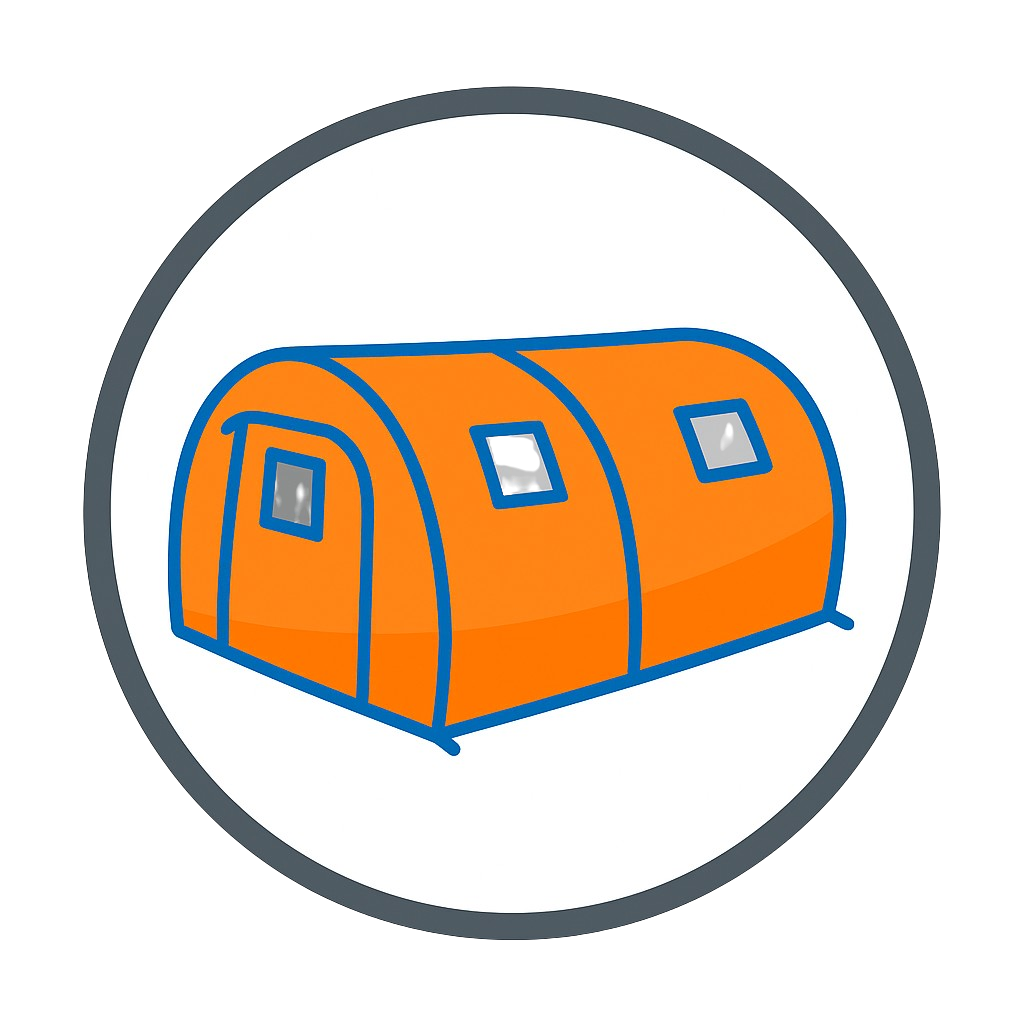
The RIGLOO Rescuer Orange is a high-visibility emergency shelter, ideal for urban or roadside use. Its bright color ensures quick location and added safety in busy environments.
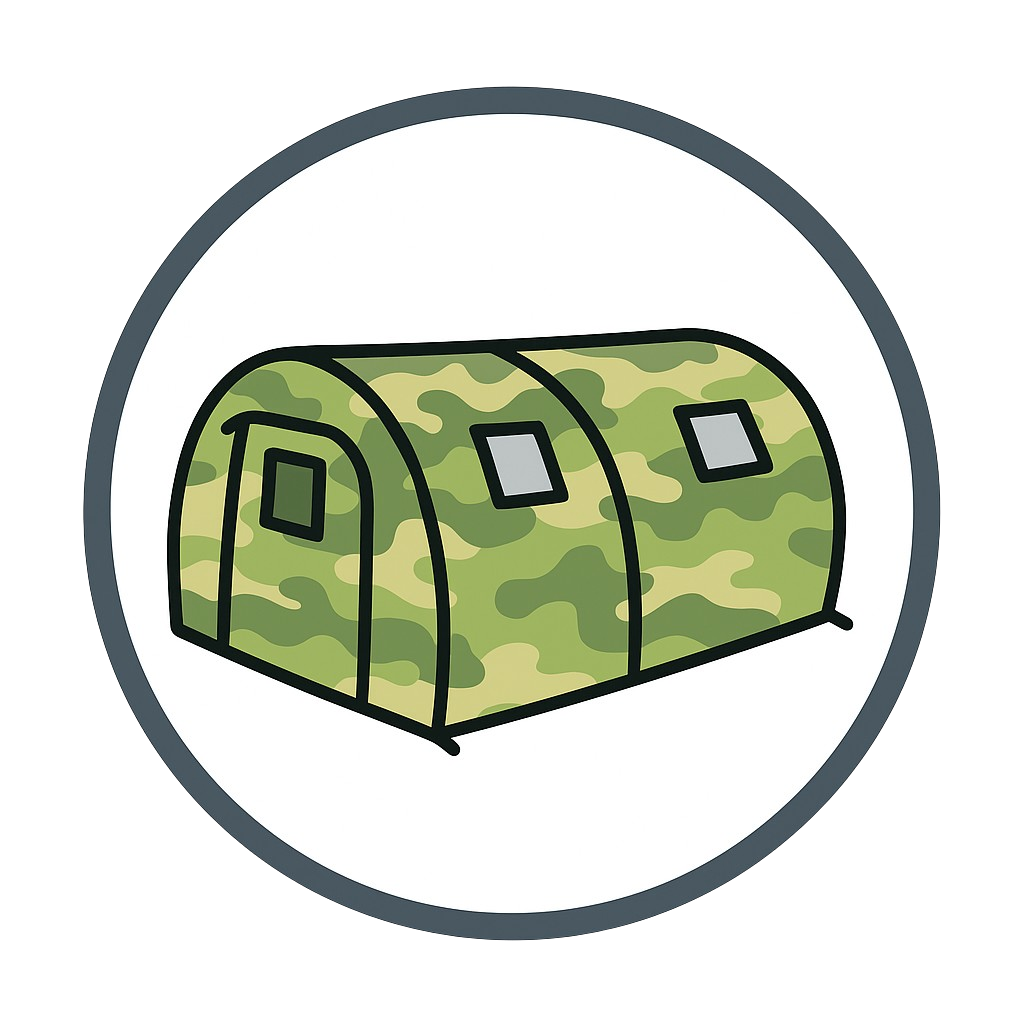
The RIGLOO Defender Woodland is designed for rural or forested areas. Its camo pattern blends into natural surroundings, making it ideal for military or wilderness operations.
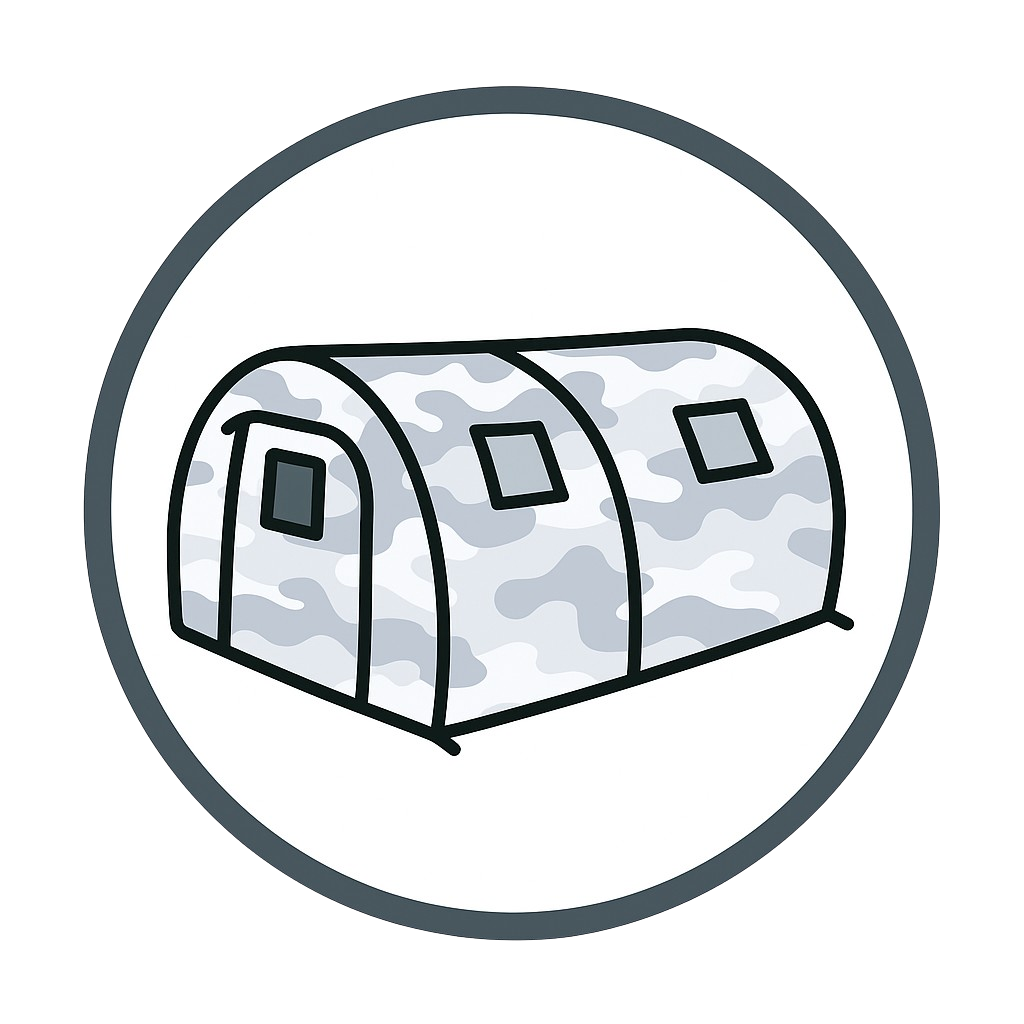
The RIGLOO Defender Tundra suits snowy or open terrain. With a low-visibility design, it offers discreet protection while delivering the same fast, reliable shelter performance.
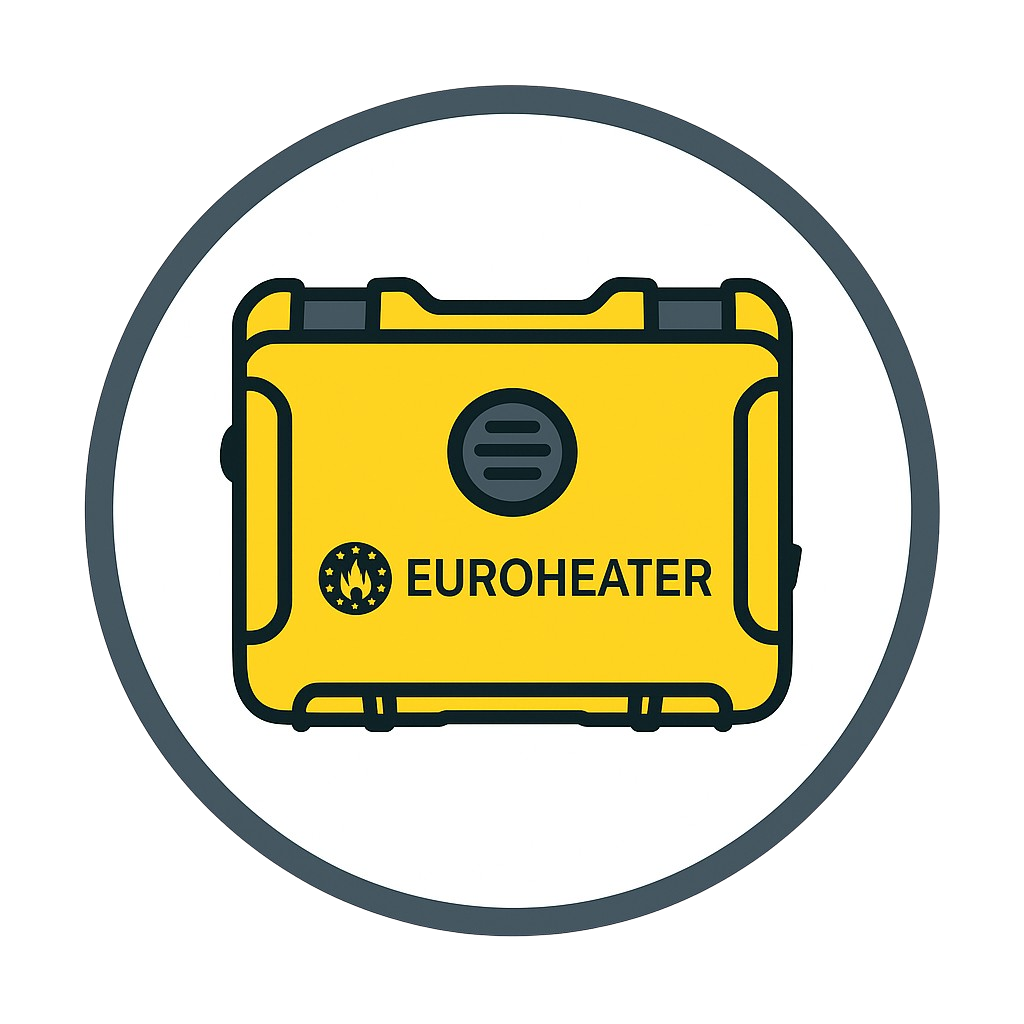
The EuroHeater is a compact, Diesel-powered heater to warm the inside of the Rigloo shelter. It helps maintain patient body temperature, supporting safe and effective prehospital care.
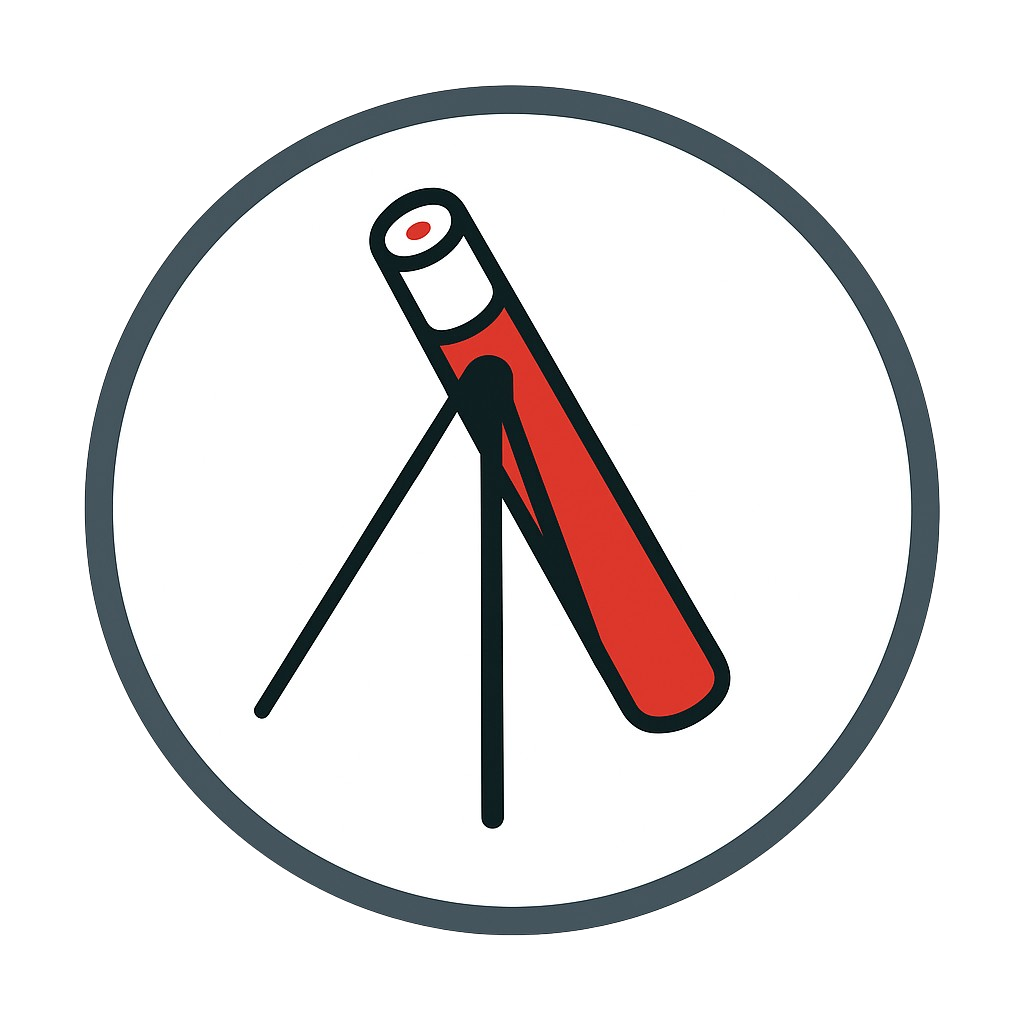
The CareFlare is a high-intensity, portable safety beacon used to mark the rescue site. Visible from a distance, it improves scene safety and guides additional responders to the location.

Rigloo is a Scottish invention. The design and engineering were carried out entirely in this country. The idea behind Rigloo was inspired by harsh weather conditions and the specific requirements for mobile emergency shelters.
RIGLOO SHELTERS ADVANTAGES
RIGLOO Medical Shelters protect medical staff and patients from the prying eyes of onlookers. RIGLOO Shelters also protect the patient and physician from environmental influences such as wind, rain, cold, and sun, allowing for more focused and calm treatment. Protection from such environmental influences reduces stress and anxiety and can protect against excessive cooling (hyperthermia) of the patient.
The unique P.O.P.S. structure (Place / Over / Patient / Structure) allows the RIGLOO protective tent to be quickly and safely deployed over the patient and first responder. The declared goal is to move the patient as little as possible, treat him medically, and still protect him until transport can take place.
RIGLOO Medical Shelters allow first responders and physicians a high degree of freedom of movement during the treatment phase. In the RIGLOO Medical Shelters, a stretcher as well as other medical tools can be stored without any problems and the treating physician finds enough space next to it for the initial treatment.
RIGLOO Shelters serve a range of emergency situations. This applies to both civilian and tactical operations. The focus is always on prehospital care. RIGLOO Shelters are used for: Emergency care at accident scenes, protection in emergency situations, extended field care, search and rescue operations, medical emergencies, roadside rescues, and much more.
The aim is to move the victims as little as possible. To achieve this, the medical shelter must be able to be placed over the patient and the first rescuer. Thanks to a removable bottom, the RIGLOO Medical Shelters can be placed over the patient and the first rescuer and protect them from all unwanted influences
Quick to deploy and reusable – RIGLOO Medical Shelters are quick to set up and deploy. On average, the Medical & Ambulance Shelters are ready for use in one minute. The RIGLOO Shelters have inflatable and stable air chambers which enable this quick setup.
The RIGLOO Medical & Ambulance Shelter is easy to carry, inflate and operate. The RIGLOO Shelter is appropriately lightweight and is carried in a backpack that contains everything you need in an emergency. It can therefore be used not only by emergency responders in the prehospital phase but also by inexperienced persons to create a shelter until the rescue professionals arrive.
RIGLOO Shelters are designed with the needs of emergency responders in the prehospital phase in mind. RIGLOO Medical Shelters, therefore, feature the following solutions: IV Fluid Bag Attachment – Loops and pockets for holding or hanging saline, blood bags, and accessories are always present on RIGLOO shelter tents.
RIGLOO shelter tents are designed to be carried or stored in a bag or backpack. RIGLOO shelter tents weigh 8 kg including pump. RIGLOO Shelter solutions can easily be carried on a small emergency vehicle such as a quad bike or motorcycle. The RIGLOO backpack fits in almost every trunk of a vehicle.
RIGLOO protective shelters are robust, durable, and waterproof. Range of use from -50 Celsius to +60 Celius. SPF sun protection factor 30. RIGLOO shelters are not designed to spend days. It is about protection for short periods of time until the patient is transported away. RIGLOO shelters can be used several times
RIGLOO shelters are equipped with airflow controls and mosquito nets. Deployments in different climatic zones are therefore naturally part of the repertoire of a RIGLOO solution.
RIGLOO USECASES
Provides instant weather protection and privacy for patients and responders at crash scenes.
Covers injured workers immediately, shielding them from dust, noise, and public view.
Offers a private and weather-safe area for treating athletes directly on the field.
Lightweight and portable shelter for harsh terrain, preventing hypothermia and exposure.
Acts as a quick-deploy treatment space for triage and emergency care in large-scale events.
Camouflage versions provide discreet field care under tough and unpredictable conditions.
Serves as an immediate protective station for evacuees or rescue personnel in crisis zones.
Gives medical teams a fast and private setup for crowd-related incidents or minor injuries.
Temporary shelter solution for vulnerable people during heatwaves or freezing temperatures.
Covers patients on site before airlift, eliminating the need to move them pre-transport.

Request an Offer
Get a individual and customized quote tailored to the needs of your organization.

Become a Partner
Join our global network of trusted distribution and training partners.
Rigloo protective tents used in rescue operations in disaster scenarios – protection against hypothermia and media degradation
Natural disasters such as floods, storms, landslides, large-scale fires, and avalanches pose extreme challenges for rescue workers. Infrastructure collapses, communication systems fail, and access to the injured is difficult. People who are rescued often find themselves in wet, cold, exposed environments for hours or even days. Their bodies are exhausted, hypothermic, traumatized—often poorly clothed, injured, or stripped naked for medical treatment.
Added to this is the media and digital reality: in disaster situations, the media, residents, drones, social media users, and volunteers with cameras are on site. Images of helpless, injured, or naked people are published in real time—without consent, without protection, without consideration. In the midst of this state of emergency, one simple thing is often missing: a warm place out of sight where people can receive initial medical care.
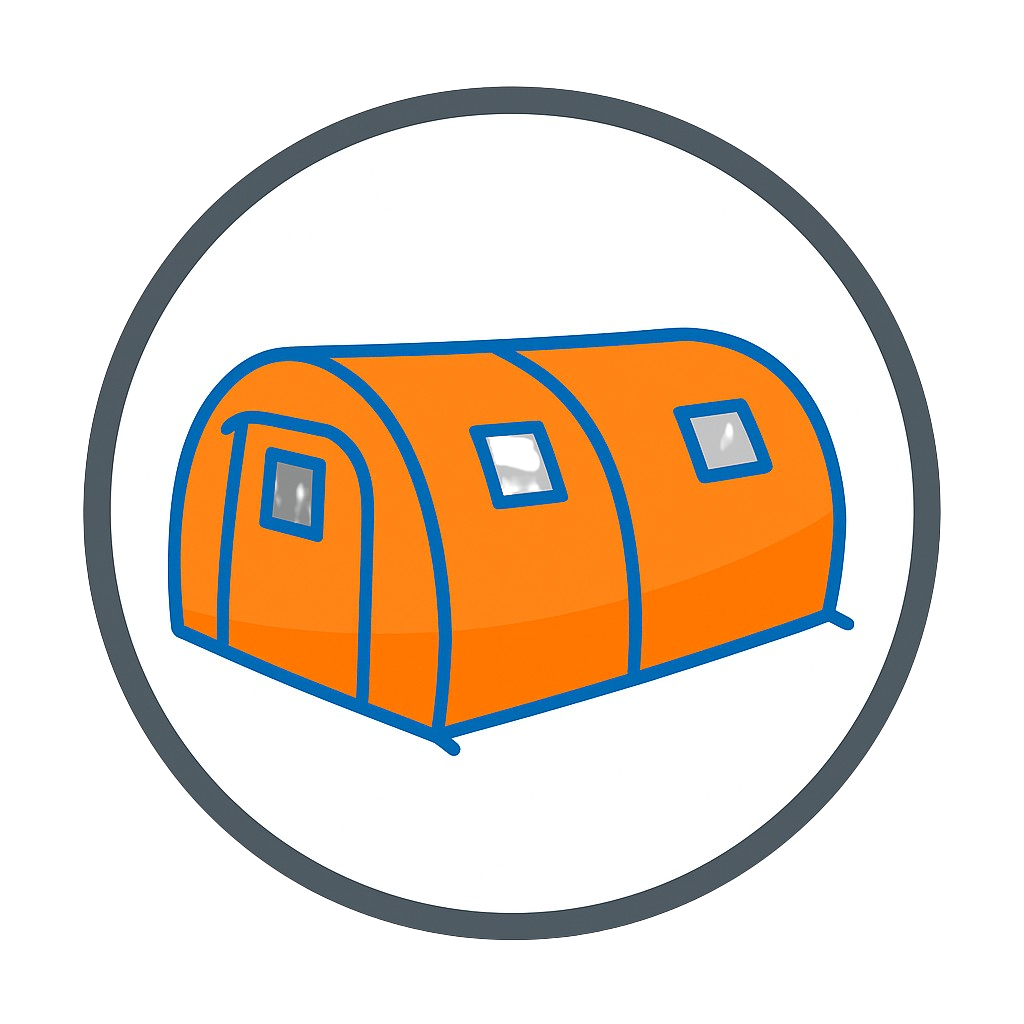
The RIGLOO Rescuer Orange is a high-visibility emergency shelter, ideal for urban or roadside use. Its bright color ensures quick location and added safety in busy environments.
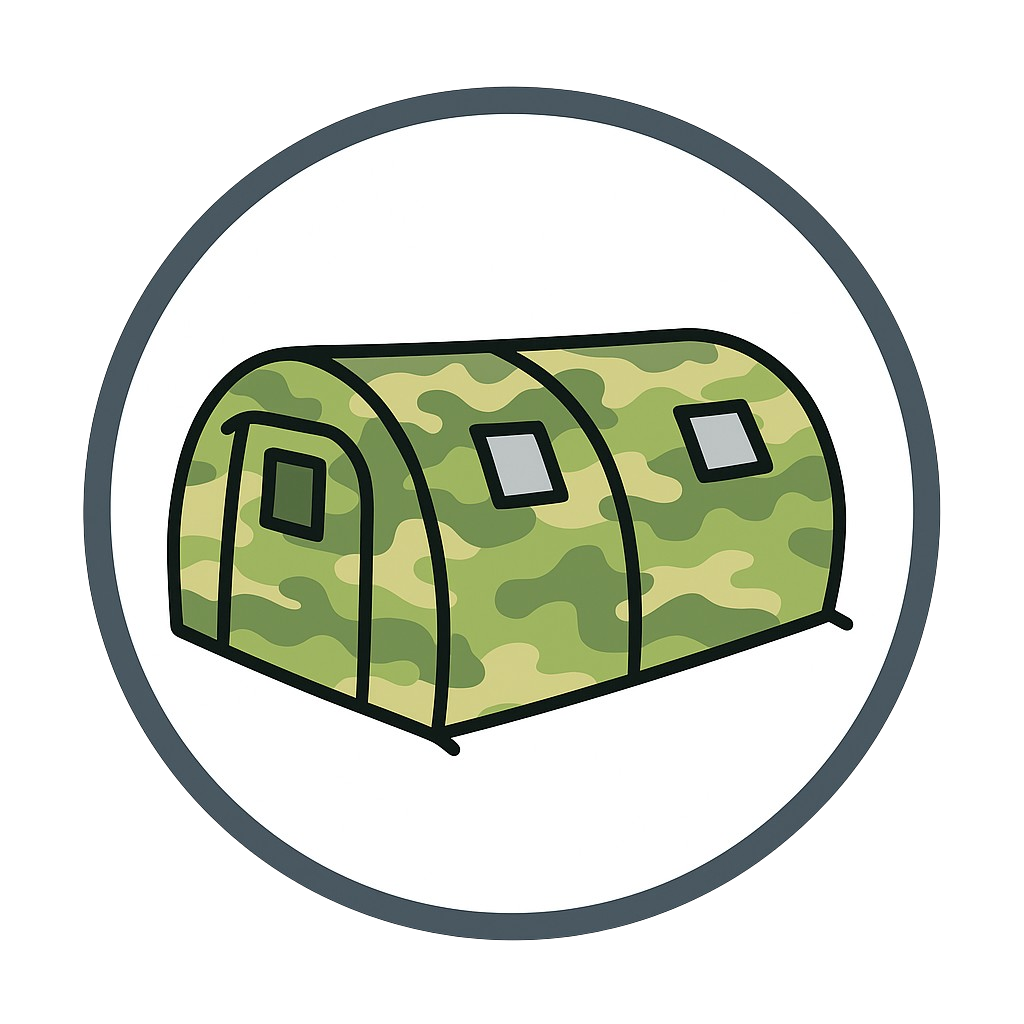
The RIGLOO Defender Woodland is designed for rural or forested areas. Its camo pattern blends into natural surroundings, making it ideal for military or wilderness operations.
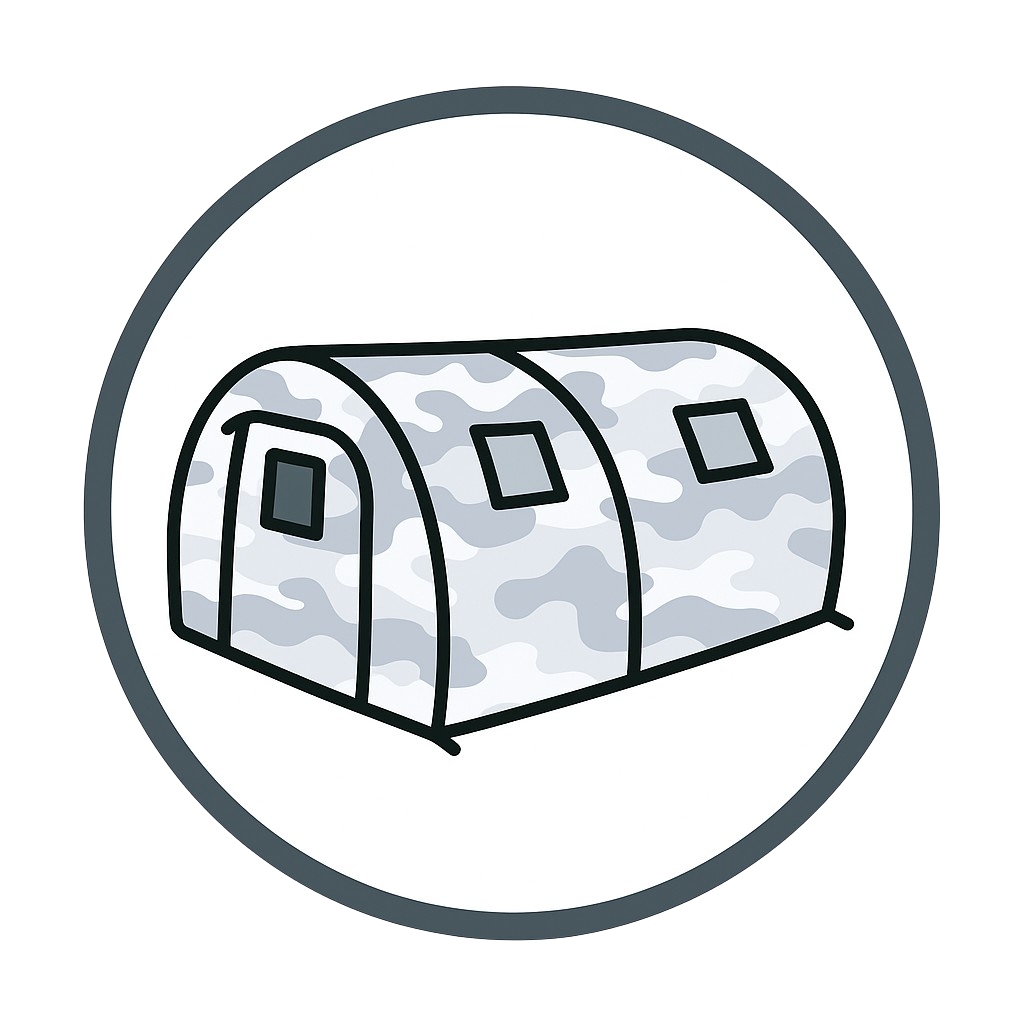
The RIGLOO Defender Tundra suits snowy or open terrain. With a low-visibility design, it offers discreet protection while delivering the same fast, reliable shelter performance.
Example situation
After days of heavy rain, a massive landslide occurs in a densely populated region. A residential area is engulfed by earth within minutes. Emergency services locate survivors using drones and tracking devices. A woman is rescued from the rubble of a half-buried house after 18 hours – conscious but severely hypothermic, wet, and dressed in nightclothes. The weather is cold, the ground muddy, and the wind biting. Rapid transport is not possible – all roads are blocked, and the nearest helicopter will not be able to land for at least 45 minutes.
The first responders begin stabilizing her on site. The woman is lying exposed on a tarp. Bystanders, neighbors, members of the press, and drones are recording everything. The scene spreads across social media before the woman has even been evacuated. Later, she is identified in photos in media reports, even though she was unable to speak—and was not asked to.
How Rigloo can help
The Rigloo protective tent can fill a crucial gap in situations like this. Set up in seconds, it provides a completely shielded, weatherproof, and private space where the affected person can be treated – regardless of location, ground conditions, or weather.
Specific advantages in disaster response:
- Protection against hypothermia thanks to insulating materials and heat retention after rescue.
- Privacy for medical procedures such as undressing, wound care, or stabilization.
- Media protection against images of injured or helpless people in degrading situations.
- Psychological relief through a protected space in the midst of chaos.
- Efficiency for emergency services, who do not have to improvise additional visual barriers.
The tent bridges the time until transport or until a mobile care facility can be reached – especially in remote or inaccessible regions.
Legal requirements
Even in the event of a disaster, fundamental rights and personal rights apply without restriction. The publication of images of helpless persons without their consent is a violation of the German Art Copyright Act (KUG, Sections 22, 23) and may also violate the General Data Protection Regulation (GDPR) under certain circumstances.
In addition, the following apply:
- Medical confidentiality (e.g., Section 203 of the German Criminal Code (StGB)),
- emergency care and disaster control regulations (state law),
- protection obligations under the Basic Law (preservation of human dignity, Art. 1 GG).
This means that even under extreme conditions, emergency services are obliged to ensure the greatest possible protection for the persons concerned – in particular against public display.
Ethical requirements
From an ethical point of view, it is unacceptable to expose injured or undressed people – who are often unresponsive or traumatized – to the public. Especially in disaster situations, where all certainties break down, trust, dignity, and protection are central pillars of professional help.
A protective tent such as Rigloo addresses precisely this issue: it restores dignity in a degrading situation. It allows medical treatment to be provided at eye level, with respect for privacy – even under the most difficult conditions. Last but not least, it sends a signal to relatives, the media, and the public: “We are not only providing medical care – we are also treating people as human beings.”
Benefits for patients and medical staff
For patients:
- Prevention of life-threatening hypothermia.
- Reduction of shame and secondary traumatization.
- Preservation of personal dignity in a situation of absolute vulnerability.
- Protection from long-term psychological damage caused by exposure to the media.
For emergency services:
- Better working environment for medical procedures.
- Relief in communication with the media and the public.
- Avoidance of legal and ethical conflicts.
- Fulfillment of professional ethics even in chaotic situations.
What can happen without Rigloo
Injured people remain unprotected – exposed to the weather, prying eyes, and cameras. The consequences:
- Rapid cooling to the point of hypothermia – with an immediate risk of complications, death, or permanent damage.
- Publication of degrading images that can circulate online for life.
- Legal disputes with those affected or their relatives.
- Loss of trust in emergency services.
- Long-term psychological effects such as PTSD, shame, withdrawal, or depression among those affected.
Economic consequences without a solution – follow-up costs, long-term costs, opportunity costs
Neglecting to provide adequate care with regard to hypothermia and personal rights leads to:
- Increased healthcare costs due to avoidable complications.
- Costs for therapy, rehabilitation, or early retirement.
- Reputational damage for aid organizations and disaster control authorities.
- Delays in operations due to improvised protective measures.
- Opportunity costs, for example because resources for crisis communication, processing, or legal defense have to be diverted from their intended purpose.
In comparison, the cost of a Rigloo tent is marginal – but highly effective in protecting against escalation, consequential damage, and ethical transgressions.
Conclusion
In disaster situations, rapid assistance is vital. But dignity, privacy, and protection from hypothermia are also part of medical responsibility. Rigloo protective tents offer a simple, robust, and immediately deployable solution that has proven itself in every phase of disaster response: during rescue, pre-hospital care, and transport.
Those who are in a position to provide protection should not refuse to do so for financial reasons – because in the end, the price of doing nothing is higher for those affected and for society as a whole.
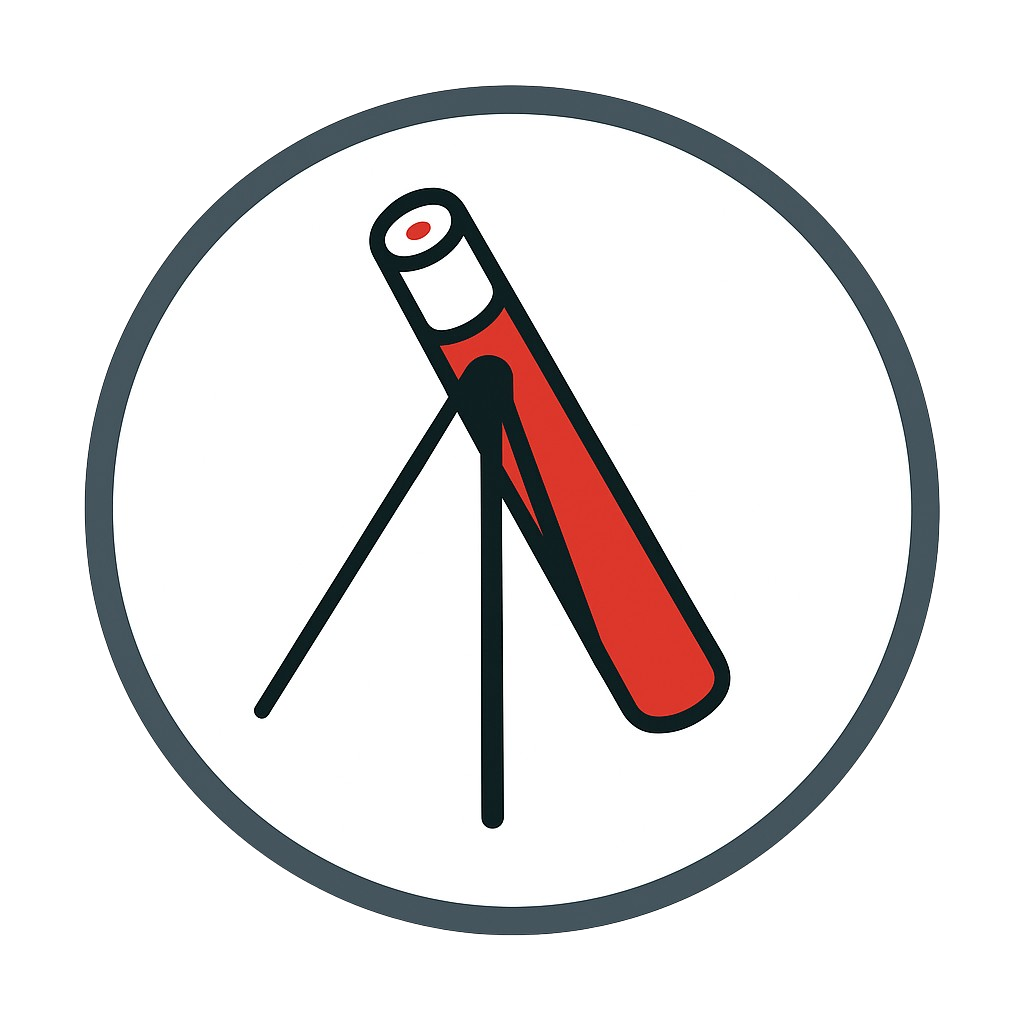
FOR OPTIMAL SAFETY: The CareFlare is a portable safety beacon with high directional luminosity that is used to mark the location of a rescue site. It is visible from a great distance, improves safety at the scene of an accident, and guides additional rescue personnel to the site.
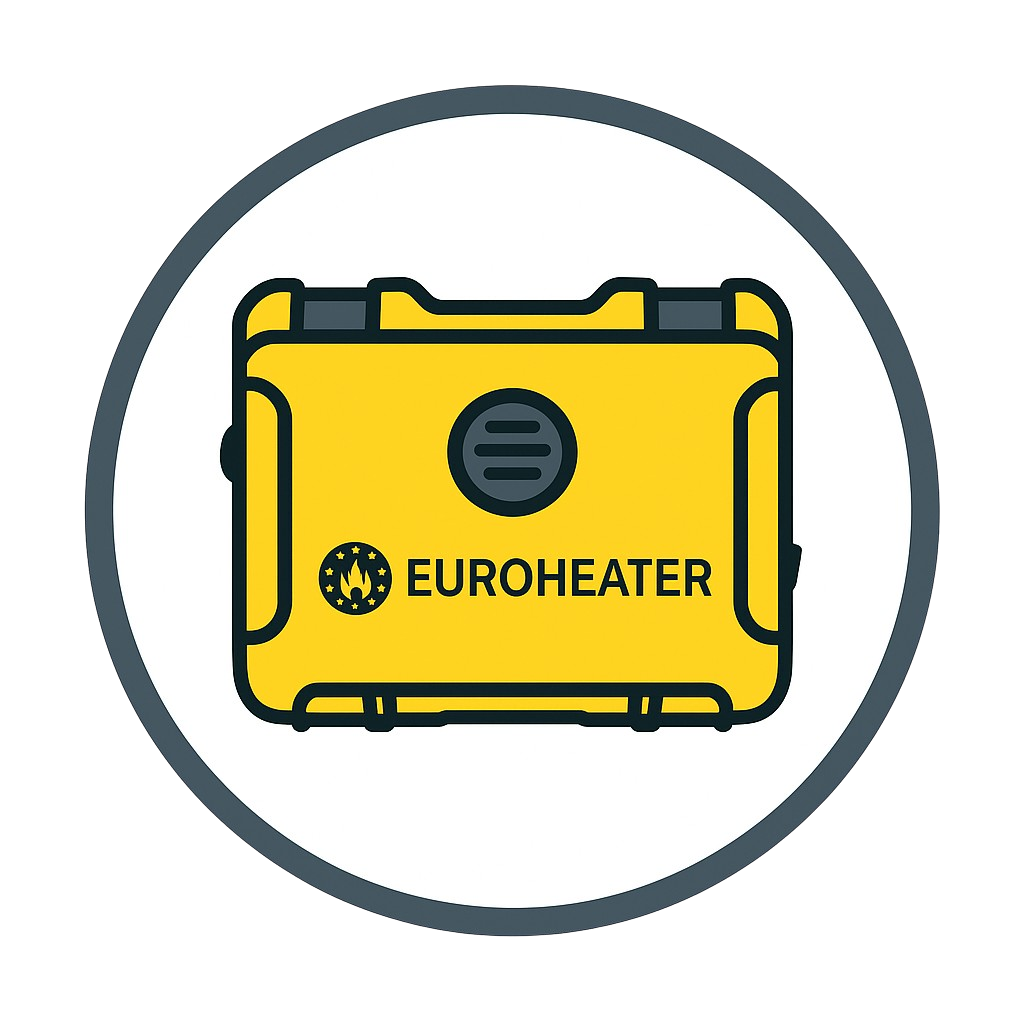
FOR ACTIVE HEAT PRODUCTION: The EuroHeater is a compact, diesel-powered heater for heating the Rigloo protective tent. It helps to actively maintain the body temperature of patients.
Rigloo as privacy screen in the pre-hospital care phase
After rescuing an accident victim from a vehicle or danger zone, a critical phase of care begins: pre-hospital stabilization. Immediate transport is not always possible—whether because the rescue helicopter is still on its way, no intensive care transport is available, or because the patient’s condition requires further stabilization at the scene of the accident.
It is precisely in this transition period – between rescue and transport – that Rigloo comes into play as an effective bridging solution. The tent provides a protected space in the pre-hospital phase where emergency doctors and paramedics can carry out medical procedures such as intubation, infusion therapy, or the assessment of life-threatening injuries in peace and seclusion.
These minutes are often crucial for the patient’s survival. At the same time, they are particularly sensitive in terms of privacy: the patient is injured, possibly undressed, in a helpless position – while the surroundings remain accessible to the public and visible to onlookers. Rigloo creates a temporary but complete visual barrier in this situation, which remains in place until transport begins.
Whether by ambulance, helicopter, or in special situations with delays, the tent closes a gap in the rescue concept that was previously often bridged by blankets, privacy screens, or makeshift measures—often with insufficient effect.
Rigloo is therefore not a substitute for medical equipment, but a sensible, ethically necessary addition to the pre-hospital care system. It improves the working conditions of emergency personnel, increases the quality of care, and protects the patient’s privacy during this critical interim phase.
What is hypothermia?
Hypothermia is the medical term for a condition in which the body’s core temperature falls below 35°C. It occurs when the body loses more heat than it can generate – due to cold surroundings, wetness, wind or immobility. What makes it particularly dangerous is that hypothermia often creeps up slowly and is underestimated in its early stages.
In disaster scenarios, hypothermia is a common and underestimated risk. People who lie for hours in rubble, mud, water, or on cold ground—often injured, weakened, or without adequate clothing—begin to cool down very quickly. Even temperatures around 10–15°C are enough to cause hypothermia requiring treatment in a motionless victim within a short period of time.
The medical consequences are serious:
- slowed heartbeat,
- loss of consciousness,
- coagulation disorders (increased bleeding),
- circulatory collapse and even death.
What is particularly critical is that hypothermia greatly reduces the chances of success in rescue operations. Even if the rescue is successful, it worsens the prognosis and leads to prolonged hospital stays or permanent damage.
Cost-effectiveness, risk, and total cost of ownership in disaster control
Civil protection work often involves enormous time and resource constraints. Purchases must be cost-efficient, standardizable, and as versatile as possible. At first glance, mobile privacy screens and thermal tents such as Rigloo appear to be optional extras—not essential. However, this view overlooks key cost factors.
If you consider the total cost of ownership (TCO) – i.e., not just the initial purchase costs, but also follow-up costs, long-term consequences, and lost opportunities – you quickly realize that preventive equipment such as Rigloo is significantly cheaper than not having it.
Typical indirect costs associated with a lack of protection:
- Hospital stays and rehabilitation due to hypothermia complications,
- Long-term effects such as post-traumatic stress disorder (PTSD) and depression,
- Long-term psychological care,
- Vogt-CTE GmbH
- Erlenauweg 17
- CH 3110 Münsingen
- +41 33 223 72 12
- info@vogt-cte.com
- VAT CH - CHE-251.716.630 MWST
- UID CH - CHE-251.716.630
- CH ID - CH-036-4065213-9
- EORI - DE684075747272454
- ZAZ - 17790-0 Vogt-CTE GmbH
WE SUPPLY RESCUE INNOVATIONS
At Vogt-CTE, we offer our European trading partners access to unique innovations in the field of rescue. Our solutions make rescue operations easier, faster, safer, and less resource-intensive. The products we represent are highly specialized, proven in the field, and make a real difference — saving lives every day. We don’t just bring products to market — we deliver progress. Together with our partners, we ensure that these innovations reach the people who need them most: those on the front lines of rescue operations.